Ceiling Fans
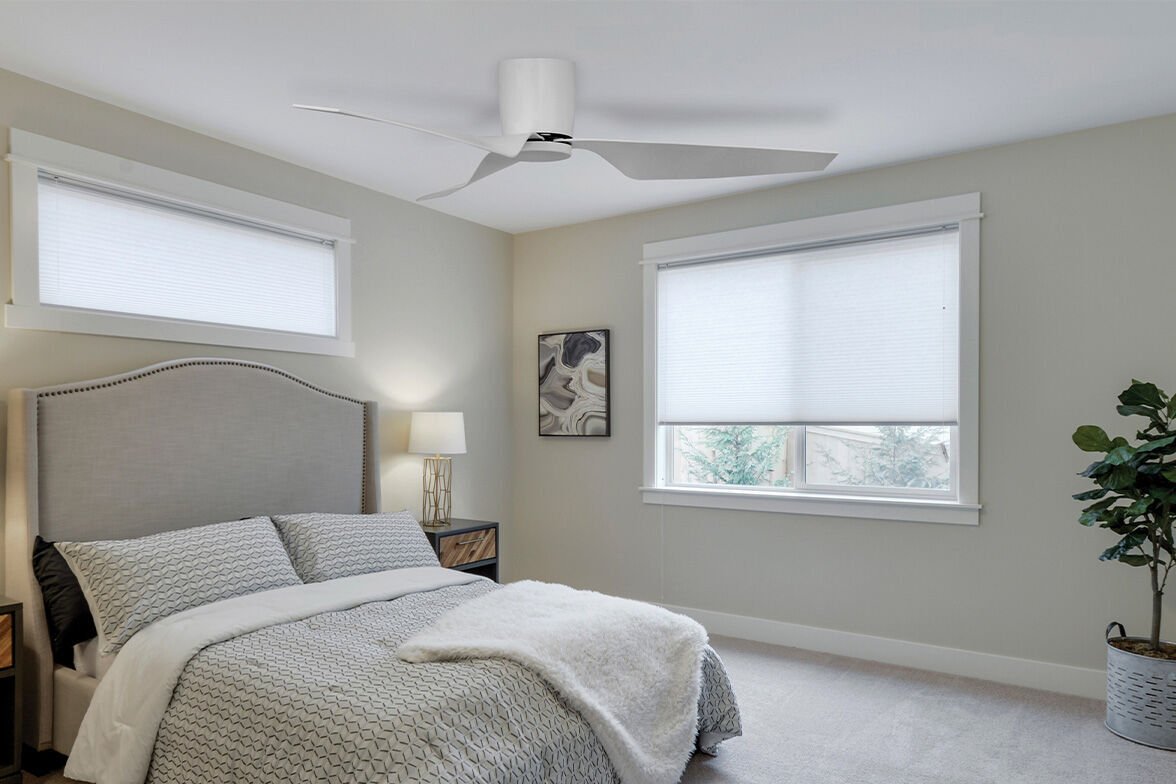
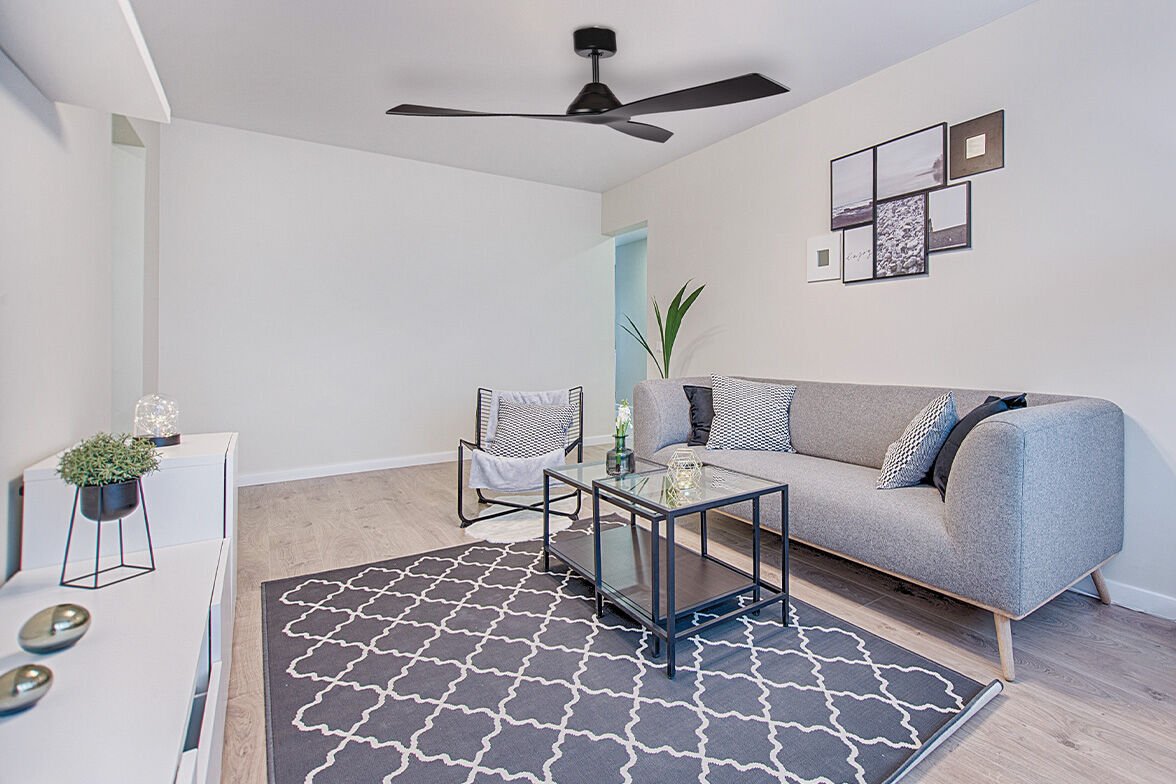
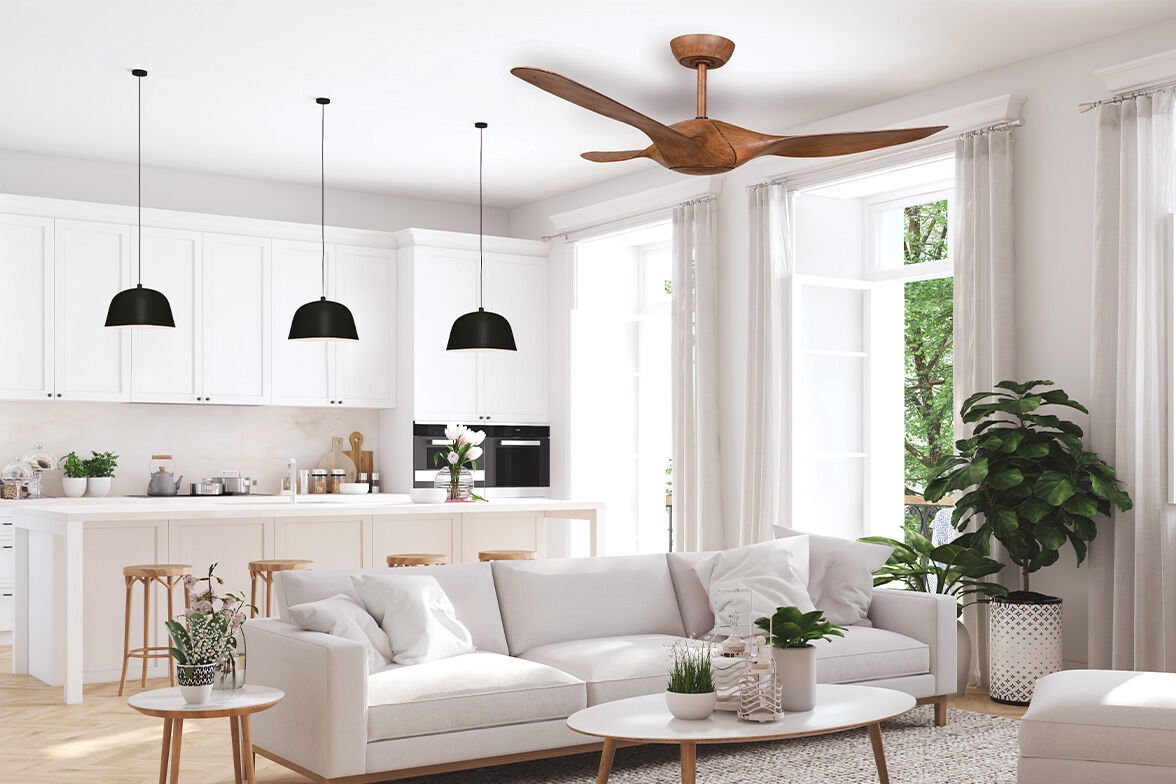
Cool, calm, and perfectly styled. Lightingplus stocks New Zealand’s leading range of ceiling fans and accessories. Whether you’re looking for a sleek modern centerpiece or a classic understated look, we have the perfect fit for your home. Stay comfortable through the Kiwi summer and add a touch of sophistication to every room.
Learn more
{"data":{"topCategory":{"id":103,"type":"category","label":"Ceiling Fans","attributes":{"id":103,"locale":["NZ"],"parent_id":null,"name":"Ceiling Fans","name_id":"ceiling-fans","image":23449,"trade_image_id":null,"main_image_id":null,"path":"ceiling-fans","override_url":null,"google_taxonomy_id":33,"title":"Ceiling Fans - Quiet, Designer Ceiling Fans","description":"The lighting Plus Ceiling Fan range includes Ceiling fans from contemporary through traditional styles that include a versatile range of lighting accessories.","meta_description":"View our ceiling fan range, including quiet, designer, low-profile & wooden ceiling fans. Buy ceiling fans online, or at your nearest Lightingplus today","meta_keywords":null,"position":203,"import_id":3,"content":"<p><strong data-path-to-node=\"4,0\" data-index-in-node=\"0\">Cool, calm, and perfectly styled.<\/strong> Lightingplus stocks New Zealand’s leading range of ceiling fans and accessories. Whether you’re looking for a sleek modern centerpiece or a classic understated look, we have the perfect fit for your home. Stay comfortable through the Kiwi summer and add a touch of sophistication to every room.<\/p>","header_image":null,"layout_id":null,"youtube":"b-qgfn5aRR8","sale":1,"clearance":1,"fullname":"Ceiling Fans","platinum":0,"badge_text":null,"badge_class":"default","badge_start":null,"badge_end":null,"banner_vertical_link":"book-a-consultation","banner_vertical":30949,"banner_vertical_row":"3","banner_horizontal":null,"banner_horizontal_image":null,"banner_horizontal_row":"1","banner_vertical_start":null,"banner_vertical_end":null,"banner_horizontal_start":null,"banner_horizontal_end":null,"supplementary_text":null,"supplementary_start":null,"supplementary_end":null,"supplementary_type":[],"supplementary_mobile":0,"show_in_quick_links":0,"content_name_id":"ceiling-fans","product_id_group":"8373,8542,16692,16693,16981,8242,16980,8500,8714,8543,17821,17822,17823,17824,17844,17845,16657,17871,17846,18215,18216,18214,18219,18220,18221,18222,18360,18361,18356,18358,18362,18363,18364,18437,18438,18563","content_id":8957,"productIds":["8373","8542","16692","16693","16981","8242","16980","8500","8714","8543","17821","17822","17823","17824","17844","17845","16657","17871","17846","18215","18216","18214","18219","18220","18221","18222","18360","18361","18356","18358","18362","18363","18364","18437","18438","18563"],"full_path":"\/ceiling-fans","cat_banner_vertical":{"banner":30949,"link":"book-a-consultation","row":"3","visible":true},"cat_banner_horizontal":false,"layout":null,"attached_panels":[{"id":44,"locale":["NZ"],"name":"Our Ceiling Fan Range","type":"text-image","created_at":"2021-09-09T02:25:58.000000Z","updated_at":"2023-01-19T22:04:13.000000Z","active":1,"deleted_at":null,"content_id":8957,"position":44,"description":null,"title":null,"subtitle":"Our Ceiling Fan Range","video":null,"content":"<p>Our range of ceiling fans includes a selection of attractive styles, crafted with a variety of materials to suit every home. Along with traditional metal and plastic units, we also stock wood look polycarbonate ceiling fans and designer ceiling fans. Ceiling fans are also available with additional functions such as in-built lighting and reversible air-flow options.<\/p>","link_value":null,"link_text":null,"open_new_tab":0,"align":"image-text","image":{"id":6221,"parent_id":null,"name":"Luna-1176px-x-784px.jpg","description":null,"storage":"assets","size":217888,"extension":"jpeg","mime_type":"image\/jpeg","width":1176,"height":784,"keywords":null,"created_at":"2021-09-10T02:00:53.000000Z","updated_at":"2025-08-25T02:37:33.000000Z","usage":{"panels.44":"Our Ceiling Fan Range"},"token":null,"value":null,"_meta":null,"node_path":[{"id":6221,"name":"Luna-1176px-x-784px.jpg","parent_id":null}],"readonly":null,"import_id":null,"imported_at":null,"link":"\/asset\/6221.jpeg","readable_size":"212.78 kB","secured":false,"secured_token":"eyJ0eXAiOiJKV1QiLCJhbGciOiJIUzI1NiJ9.eyJzdG9yYWdlcyI6bnVsbCwiZmlsZSI6NjIyMX0.OivOj9G-6lkM52H4J0OgHTzbjv0zh6N6qtGJd9b0WXU","full_path":"6221"},"padding_top":null,"padding_bottom":null,"margin_top":null,"margin_bottom":null,"pivot":{"content_id":8957,"panel_id":44,"section":null,"position":null}},{"id":45,"locale":["NZ"],"name":"Quiet Ceiling Fans","type":"text-image","created_at":"2021-09-09T02:26:36.000000Z","updated_at":"2023-01-19T22:04:13.000000Z","active":1,"deleted_at":null,"content_id":8957,"position":45,"description":null,"title":null,"subtitle":"Quiet Ceiling Fans","video":null,"content":"<p>Our selection of ceiling fans also includes a range of quiet ceiling fans. These units employ DC motors, which are energy efficient and very quiet when in use. Quiet ceiling fans are perfect for keeping your home cool without creating excess noise, and come in a variety of styles and materials including wood look polycarbonate, metal and plastic.<\/p>","link_value":null,"link_text":null,"open_new_tab":0,"align":"text-image","image":{"id":6220,"parent_id":null,"name":"Bali-1176px-x-784px.jpg","description":null,"storage":"assets","size":318879,"extension":"jpeg","mime_type":"image\/jpeg","width":1176,"height":784,"keywords":null,"created_at":"2021-09-10T02:00:30.000000Z","updated_at":"2025-08-25T02:37:33.000000Z","usage":{"panels.45":"Quiet Ceiling Fans"},"token":null,"value":null,"_meta":null,"node_path":[{"id":6220,"name":"Bali-1176px-x-784px.jpg","parent_id":null}],"readonly":null,"import_id":null,"imported_at":null,"link":"\/asset\/6220.jpeg","readable_size":"311.41 kB","secured":false,"secured_token":"eyJ0eXAiOiJKV1QiLCJhbGciOiJIUzI1NiJ9.eyJzdG9yYWdlcyI6bnVsbCwiZmlsZSI6NjIyMH0.v1vxhDdrAzivzOyu4Fp-5OQzu_wt8xe-ciLxaP-JpXk","full_path":"6220"},"padding_top":null,"padding_bottom":null,"margin_top":null,"margin_bottom":null,"pivot":{"content_id":8957,"panel_id":45,"section":null,"position":null}},{"id":46,"locale":["NZ"],"name":"Wood Look & Designer Ceiling Fans","type":"text-image","created_at":"2021-09-09T02:29:51.000000Z","updated_at":"2023-01-19T22:04:13.000000Z","active":1,"deleted_at":null,"content_id":8957,"position":46,"description":null,"title":null,"subtitle":"Designer Ceiling Fans","video":null,"content":"<p>We stock a huge selection of designer ceiling fans, crafted from stylish and durable materials. Designed to appear indistinguishable from real timber, our polycarbonate wood look ceiling fans are available in multiple finishes, and can add an modern touch to any room. From faux wooden ceiling fans to sleek plastic and metal designs, browse our designer ceiling fan range online, or see them in-person at your nearest Lightingplus store today.<\/p>","link_value":null,"link_text":null,"open_new_tab":0,"align":"image-text","image":{"id":6219,"parent_id":null,"name":"Aero-1176px-x-784px.jpg","description":null,"storage":"assets","size":240789,"extension":"jpeg","mime_type":"image\/jpeg","width":1176,"height":784,"keywords":null,"created_at":"2021-09-10T02:00:04.000000Z","updated_at":"2025-08-25T02:37:33.000000Z","usage":{"panels.46":"Wood Look & Designer Ceiling Fans"},"token":null,"value":null,"_meta":null,"node_path":[{"id":6219,"name":"Aero-1176px-x-784px.jpg","parent_id":null}],"readonly":null,"import_id":null,"imported_at":null,"link":"\/asset\/6219.jpeg","readable_size":"235.15 kB","secured":false,"secured_token":"eyJ0eXAiOiJKV1QiLCJhbGciOiJIUzI1NiJ9.eyJzdG9yYWdlcyI6bnVsbCwiZmlsZSI6NjIxOX0.b5tF_rpSHCLhdJGaFspEtFzuU_v3tK2Rl6iVmppEi5s","full_path":"6219"},"padding_top":null,"padding_bottom":null,"margin_top":null,"margin_bottom":null,"pivot":{"content_id":8957,"panel_id":46,"section":null,"position":null}},{"id":47,"locale":["NZ"],"name":"Ceiling Fans FAQs","type":"faq","created_at":"2021-09-09T02:36:45.000000Z","updated_at":"2026-09-28T21:58:28.000000Z","active":1,"deleted_at":null,"content_id":null,"position":47,"heading":"FAQ's","padding_top":1,"padding_bottom":0,"margin_top":0,"margin_bottom":0,"pivot":{"content_id":8957,"panel_id":47,"section":null,"position":null}}]},"meta":{"created_at":"2019-03-04 16:20:45","updated_at":"2026-10-19 16:12:51","active":1,"deleted_at":null},"schema":{"collectionType":"categories","collectionLabel":null,"contentLabel":null,"attributes":{"locale":{"name":"locale","type":"array","isRequired":false,"keyType":"","default":null},"parent_id":{"name":"parent_id","type":"ref","isRequired":false,"keyType":"MUL","length":"10","default":null,"relationship":"parent","link":"\/categories\/_ref_"},"name":{"name":"name","type":"string","isRequired":true,"keyType":"","default":"","length":"255"},"name_id":{"name":"name_id","type":"string","isRequired":true,"keyType":"","default":"","length":"255"},"image":{"name":"image","type":"asset","isRequired":false,"keyType":"","length":"10","default":null,"extensions":["jpeg","png"],"upload_dir":null,"upload_storage":null},"trade_image_id":{"name":"trade_image_id","type":"int","isRequired":false,"keyType":"","length":"10","default":null},"main_image_id":{"name":"main_image_id","type":"int","isRequired":false,"keyType":"","length":"10","default":null},"path":{"name":"path","type":"slug","isRequired":false,"keyType":"","default":"","length":"251"},"override_url":{"name":"override_url","type":"string","isRequired":false,"keyType":"","default":"","length":"255"},"google_taxonomy_id":{"name":"google_taxonomy_id","type":"integer","isRequired":false,"keyType":"MUL","length":"10","default":null,"relationship":"googleProductCategory","link":"\/google_taxonomies\/_ref_"},"title":{"name":"title","type":"string","isRequired":false,"keyType":"","default":"","length":"255"},"description":{"name":"description","type":"text","isRequired":false,"keyType":"","default":null},"meta_description":{"name":"meta_description","type":"text","isRequired":false,"keyType":"","default":null},"meta_keywords":{"name":"meta_keywords","type":"text","isRequired":false,"keyType":"","default":null},"position":{"name":"position","type":"int","isRequired":false,"keyType":"","length":"10","default":null},"import_id":{"name":"import_id","type":"int","isRequired":false,"keyType":"UNI","length":"10","default":null},"content":{"type":"text"},"header_image":{"name":"header_image","type":"asset","isRequired":false,"keyType":"","length":"10","default":null,"extensions":["jpeg","png"],"upload_dir":null,"upload_storage":null},"layout_id":{"name":"layout_id","type":"ref","isRequired":false,"keyType":"MUL","length":"10","default":null,"relationship":"layout","link":"\/layouts\/_ref_"},"youtube":{"name":"youtube","type":"string","isRequired":false,"keyType":"","default":"","length":"255"},"sale":{"name":"sale","type":"tinyint","isRequired":true,"keyType":"","length":"1","default":1},"clearance":{"name":"clearance","type":"tinyint","isRequired":true,"keyType":"","length":"1","default":1},"fullname":{"name":"fullname","type":"string","isRequired":false,"keyType":"","default":"","length":"255"},"platinum":{"name":"platinum","type":"tinyint","isRequired":true,"keyType":"","length":"1","default":0},"badge_text":{"name":"badge_text","type":"string","isRequired":false,"keyType":"","default":"","length":"255"},"badge_class":{"name":"badge_class","type":"enum","isRequired":true,"keyType":"","default":"default","values":["default","orange","blue"]},"badge_start":{"name":"badge_start","type":"datetime","isRequired":false,"keyType":"","default":null},"badge_end":{"name":"badge_end","type":"datetime","isRequired":false,"keyType":"","default":null},"banner_vertical_link":{"name":"banner_vertical_link","type":"string","isRequired":false,"keyType":"","default":"","length":"255"},"banner_vertical":{"name":"banner_vertical","type":"asset","isRequired":false,"keyType":"","length":"10","default":null,"extensions":["jpeg","png"],"upload_dir":null,"upload_storage":null},"banner_vertical_row":{"name":"banner_vertical_row","type":"enum","isRequired":true,"keyType":"","default":"1","values":["1","2","3","4","5"]},"banner_horizontal":{"name":"banner_horizontal","type":"ref","isRequired":false,"keyType":"MUL","length":"10","default":null,"relationship":"banner_horizontal_product","link":"\/products\/_ref_"},"banner_horizontal_image":{"name":"banner_horizontal_image","type":"asset","isRequired":false,"keyType":"","length":"10","default":null,"extensions":["jpeg","png"],"upload_dir":null,"upload_storage":null},"banner_horizontal_row":{"name":"banner_horizontal_row","type":"enum","isRequired":true,"keyType":"","default":"1","values":["1","2","3","4","5"]},"banner_vertical_start":{"name":"banner_vertical_start","type":"datetime","isRequired":false,"keyType":"","default":null},"banner_vertical_end":{"name":"banner_vertical_end","type":"datetime","isRequired":false,"keyType":"","default":null},"banner_horizontal_start":{"name":"banner_horizontal_start","type":"datetime","isRequired":false,"keyType":"","default":null},"banner_horizontal_end":{"name":"banner_horizontal_end","type":"datetime","isRequired":false,"keyType":"","default":null},"supplementary_text":{"name":"supplementary_text","type":"string","isRequired":false,"keyType":"","default":"","length":"255"},"supplementary_start":{"name":"supplementary_start","type":"datetime","isRequired":false,"keyType":"MUL","default":null},"supplementary_end":{"name":"supplementary_end","type":"datetime","isRequired":false,"keyType":"MUL","default":null},"supplementary_type":{"name":"supplementary_type","type":"array","isRequired":false,"keyType":"","default":null},"supplementary_mobile":{"name":"supplementary_mobile","type":"tinyint","isRequired":true,"keyType":"","length":"1","default":0},"show_in_quick_links":{"name":"show_in_quick_links","type":"tinyint","isRequired":false,"keyType":"MUL","length":"1","default":0},"productIds":{"name":"productIds","type":"string"},"full_path":{"name":"full_path","type":"string"},"cat_banner_vertical":{"name":"cat_banner_vertical","type":"string"},"cat_banner_horizontal":{"name":"cat_banner_horizontal","type":"string"},"template":{"type":"enum","values":[{"id":"default","name":"default","config":[]},{"id":"robot","name":"robot","config":[]}]}},"relationships":{"parent":{"label":null,"type":"BelongsTo","class":"Category","field":"parent_id","refs":"\/categories\/_ref_"},"layout":{"label":null,"type":"BelongsTo","class":"Layout","field":"layout_id","refs":"\/layouts\/_ref_"},"banner_horizontal_product":{"label":null,"type":"BelongsTo","class":"Product","field":"banner_horizontal","refs":"\/products\/_ref_"},"images":{"label":null,"type":"HasMany","class":"CategoryImage"},"products":{"label":null,"type":"BelongsToMany","class":"Product","refs":"\/products\/_ref_"},"googleTaxonomy":{"label":null,"type":"BelongsTo","class":"GoogleTaxonomy","field":"google_taxonomy_id","refs":"\/google_taxonomies\/_ref_"},"googleProductCategory":{"label":null,"type":"BelongsTo","class":"GoogleTaxonomy","field":"google_taxonomy_id","refs":"\/google_taxonomies\/_ref_"},"panels":{"label":null,"type":"HasMany","class":"Panel","refs":"\/panels\/_ref_"},"attached_panels":{"label":null,"type":"BelongsToMany","class":"AttachedPanel","refs":"\/attached_panels\/_ref_"}}},"included":[]},"category":{"id":103,"type":"category","label":"Ceiling Fans","attributes":{"id":103,"locale":["NZ"],"parent_id":null,"name":"Ceiling Fans","name_id":"ceiling-fans","image":23449,"trade_image_id":null,"main_image_id":null,"path":"ceiling-fans","override_url":null,"google_taxonomy_id":33,"title":"Ceiling Fans - Quiet, Designer Ceiling Fans","description":"The lighting Plus Ceiling Fan range includes Ceiling fans from contemporary through traditional styles that include a versatile range of lighting accessories.","meta_description":"View our ceiling fan range, including quiet, designer, low-profile & wooden ceiling fans. Buy ceiling fans online, or at your nearest Lightingplus today","meta_keywords":null,"position":203,"import_id":3,"content":"<p><strong data-path-to-node=\"4,0\" data-index-in-node=\"0\">Cool, calm, and perfectly styled.<\/strong> Lightingplus stocks New Zealand’s leading range of ceiling fans and accessories. Whether you’re looking for a sleek modern centerpiece or a classic understated look, we have the perfect fit for your home. Stay comfortable through the Kiwi summer and add a touch of sophistication to every room.<\/p>","header_image":null,"layout_id":null,"youtube":"b-qgfn5aRR8","sale":1,"clearance":1,"fullname":"Ceiling Fans","platinum":0,"badge_text":null,"badge_class":"default","badge_start":null,"badge_end":null,"banner_vertical_link":"book-a-consultation","banner_vertical":30949,"banner_vertical_row":"3","banner_horizontal":null,"banner_horizontal_image":null,"banner_horizontal_row":"1","banner_vertical_start":null,"banner_vertical_end":null,"banner_horizontal_start":null,"banner_horizontal_end":null,"supplementary_text":null,"supplementary_start":null,"supplementary_end":null,"supplementary_type":[],"supplementary_mobile":0,"show_in_quick_links":0,"content_name_id":"ceiling-fans","product_id_group":"8373,8542,16692,16693,16981,8242,16980,8500,8714,8543,17821,17822,17823,17824,17844,17845,16657,17871,17846,18215,18216,18214,18219,18220,18221,18222,18360,18361,18356,18358,18362,18363,18364,18437,18438,18563","content_id":8957,"productIds":["8373","8542","16692","16693","16981","8242","16980","8500","8714","8543","17821","17822","17823","17824","17844","17845","16657","17871","17846","18215","18216","18214","18219","18220","18221","18222","18360","18361","18356","18358","18362","18363","18364","18437","18438","18563"],"full_path":"\/ceiling-fans","cat_banner_vertical":{"banner":30949,"link":"book-a-consultation","row":"3","visible":true},"cat_banner_horizontal":false,"layout":null,"attached_panels":[{"id":44,"locale":["NZ"],"name":"Our Ceiling Fan Range","type":"text-image","created_at":"2021-09-09T02:25:58.000000Z","updated_at":"2023-01-19T22:04:13.000000Z","active":1,"deleted_at":null,"content_id":8957,"position":44,"description":null,"title":null,"subtitle":"Our Ceiling Fan Range","video":null,"content":"<p>Our range of ceiling fans includes a selection of attractive styles, crafted with a variety of materials to suit every home. Along with traditional metal and plastic units, we also stock wood look polycarbonate ceiling fans and designer ceiling fans. Ceiling fans are also available with additional functions such as in-built lighting and reversible air-flow options.<\/p>","link_value":null,"link_text":null,"open_new_tab":0,"align":"image-text","image":{"id":6221,"parent_id":null,"name":"Luna-1176px-x-784px.jpg","description":null,"storage":"assets","size":217888,"extension":"jpeg","mime_type":"image\/jpeg","width":1176,"height":784,"keywords":null,"created_at":"2021-09-10T02:00:53.000000Z","updated_at":"2025-08-25T02:37:33.000000Z","usage":{"panels.44":"Our Ceiling Fan Range"},"token":null,"value":null,"_meta":null,"node_path":[{"id":6221,"name":"Luna-1176px-x-784px.jpg","parent_id":null}],"readonly":null,"import_id":null,"imported_at":null,"link":"\/asset\/6221.jpeg","readable_size":"212.78 kB","secured":false,"secured_token":"eyJ0eXAiOiJKV1QiLCJhbGciOiJIUzI1NiJ9.eyJzdG9yYWdlcyI6bnVsbCwiZmlsZSI6NjIyMX0.OivOj9G-6lkM52H4J0OgHTzbjv0zh6N6qtGJd9b0WXU","full_path":"6221"},"padding_top":null,"padding_bottom":null,"margin_top":null,"margin_bottom":null,"pivot":{"content_id":8957,"panel_id":44,"section":null,"position":null}},{"id":45,"locale":["NZ"],"name":"Quiet Ceiling Fans","type":"text-image","created_at":"2021-09-09T02:26:36.000000Z","updated_at":"2023-01-19T22:04:13.000000Z","active":1,"deleted_at":null,"content_id":8957,"position":45,"description":null,"title":null,"subtitle":"Quiet Ceiling Fans","video":null,"content":"<p>Our selection of ceiling fans also includes a range of quiet ceiling fans. These units employ DC motors, which are energy efficient and very quiet when in use. Quiet ceiling fans are perfect for keeping your home cool without creating excess noise, and come in a variety of styles and materials including wood look polycarbonate, metal and plastic.<\/p>","link_value":null,"link_text":null,"open_new_tab":0,"align":"text-image","image":{"id":6220,"parent_id":null,"name":"Bali-1176px-x-784px.jpg","description":null,"storage":"assets","size":318879,"extension":"jpeg","mime_type":"image\/jpeg","width":1176,"height":784,"keywords":null,"created_at":"2021-09-10T02:00:30.000000Z","updated_at":"2025-08-25T02:37:33.000000Z","usage":{"panels.45":"Quiet Ceiling Fans"},"token":null,"value":null,"_meta":null,"node_path":[{"id":6220,"name":"Bali-1176px-x-784px.jpg","parent_id":null}],"readonly":null,"import_id":null,"imported_at":null,"link":"\/asset\/6220.jpeg","readable_size":"311.41 kB","secured":false,"secured_token":"eyJ0eXAiOiJKV1QiLCJhbGciOiJIUzI1NiJ9.eyJzdG9yYWdlcyI6bnVsbCwiZmlsZSI6NjIyMH0.v1vxhDdrAzivzOyu4Fp-5OQzu_wt8xe-ciLxaP-JpXk","full_path":"6220"},"padding_top":null,"padding_bottom":null,"margin_top":null,"margin_bottom":null,"pivot":{"content_id":8957,"panel_id":45,"section":null,"position":null}},{"id":46,"locale":["NZ"],"name":"Wood Look & Designer Ceiling Fans","type":"text-image","created_at":"2021-09-09T02:29:51.000000Z","updated_at":"2023-01-19T22:04:13.000000Z","active":1,"deleted_at":null,"content_id":8957,"position":46,"description":null,"title":null,"subtitle":"Designer Ceiling Fans","video":null,"content":"<p>We stock a huge selection of designer ceiling fans, crafted from stylish and durable materials. Designed to appear indistinguishable from real timber, our polycarbonate wood look ceiling fans are available in multiple finishes, and can add an modern touch to any room. From faux wooden ceiling fans to sleek plastic and metal designs, browse our designer ceiling fan range online, or see them in-person at your nearest Lightingplus store today.<\/p>","link_value":null,"link_text":null,"open_new_tab":0,"align":"image-text","image":{"id":6219,"parent_id":null,"name":"Aero-1176px-x-784px.jpg","description":null,"storage":"assets","size":240789,"extension":"jpeg","mime_type":"image\/jpeg","width":1176,"height":784,"keywords":null,"created_at":"2021-09-10T02:00:04.000000Z","updated_at":"2025-08-25T02:37:33.000000Z","usage":{"panels.46":"Wood Look & Designer Ceiling Fans"},"token":null,"value":null,"_meta":null,"node_path":[{"id":6219,"name":"Aero-1176px-x-784px.jpg","parent_id":null}],"readonly":null,"import_id":null,"imported_at":null,"link":"\/asset\/6219.jpeg","readable_size":"235.15 kB","secured":false,"secured_token":"eyJ0eXAiOiJKV1QiLCJhbGciOiJIUzI1NiJ9.eyJzdG9yYWdlcyI6bnVsbCwiZmlsZSI6NjIxOX0.b5tF_rpSHCLhdJGaFspEtFzuU_v3tK2Rl6iVmppEi5s","full_path":"6219"},"padding_top":null,"padding_bottom":null,"margin_top":null,"margin_bottom":null,"pivot":{"content_id":8957,"panel_id":46,"section":null,"position":null}},{"id":47,"locale":["NZ"],"name":"Ceiling Fans FAQs","type":"faq","created_at":"2021-09-09T02:36:45.000000Z","updated_at":"2026-09-28T21:58:28.000000Z","active":1,"deleted_at":null,"content_id":null,"position":47,"heading":"FAQ's","padding_top":1,"padding_bottom":0,"margin_top":0,"margin_bottom":0,"pivot":{"content_id":8957,"panel_id":47,"section":null,"position":null}}]},"meta":{"created_at":"2019-03-04 16:20:45","updated_at":"2026-10-19 16:12:51","active":1,"deleted_at":null},"schema":{"collectionType":"categories","collectionLabel":null,"contentLabel":null,"attributes":{"locale":{"name":"locale","type":"array","isRequired":false,"keyType":"","default":null},"parent_id":{"name":"parent_id","type":"ref","isRequired":false,"keyType":"MUL","length":"10","default":null,"relationship":"parent","link":"\/categories\/_ref_"},"name":{"name":"name","type":"string","isRequired":true,"keyType":"","default":"","length":"255"},"name_id":{"name":"name_id","type":"string","isRequired":true,"keyType":"","default":"","length":"255"},"image":{"name":"image","type":"asset","isRequired":false,"keyType":"","length":"10","default":null,"extensions":["jpeg","png"],"upload_dir":null,"upload_storage":null},"trade_image_id":{"name":"trade_image_id","type":"int","isRequired":false,"keyType":"","length":"10","default":null},"main_image_id":{"name":"main_image_id","type":"int","isRequired":false,"keyType":"","length":"10","default":null},"path":{"name":"path","type":"slug","isRequired":false,"keyType":"","default":"","length":"251"},"override_url":{"name":"override_url","type":"string","isRequired":false,"keyType":"","default":"","length":"255"},"google_taxonomy_id":{"name":"google_taxonomy_id","type":"integer","isRequired":false,"keyType":"MUL","length":"10","default":null,"relationship":"googleProductCategory","link":"\/google_taxonomies\/_ref_"},"title":{"name":"title","type":"string","isRequired":false,"keyType":"","default":"","length":"255"},"description":{"name":"description","type":"text","isRequired":false,"keyType":"","default":null},"meta_description":{"name":"meta_description","type":"text","isRequired":false,"keyType":"","default":null},"meta_keywords":{"name":"meta_keywords","type":"text","isRequired":false,"keyType":"","default":null},"position":{"name":"position","type":"int","isRequired":false,"keyType":"","length":"10","default":null},"import_id":{"name":"import_id","type":"int","isRequired":false,"keyType":"UNI","length":"10","default":null},"content":{"type":"text"},"header_image":{"name":"header_image","type":"asset","isRequired":false,"keyType":"","length":"10","default":null,"extensions":["jpeg","png"],"upload_dir":null,"upload_storage":null},"layout_id":{"name":"layout_id","type":"ref","isRequired":false,"keyType":"MUL","length":"10","default":null,"relationship":"layout","link":"\/layouts\/_ref_"},"youtube":{"name":"youtube","type":"string","isRequired":false,"keyType":"","default":"","length":"255"},"sale":{"name":"sale","type":"tinyint","isRequired":true,"keyType":"","length":"1","default":1},"clearance":{"name":"clearance","type":"tinyint","isRequired":true,"keyType":"","length":"1","default":1},"fullname":{"name":"fullname","type":"string","isRequired":false,"keyType":"","default":"","length":"255"},"platinum":{"name":"platinum","type":"tinyint","isRequired":true,"keyType":"","length":"1","default":0},"badge_text":{"name":"badge_text","type":"string","isRequired":false,"keyType":"","default":"","length":"255"},"badge_class":{"name":"badge_class","type":"enum","isRequired":true,"keyType":"","default":"default","values":["default","orange","blue"]},"badge_start":{"name":"badge_start","type":"datetime","isRequired":false,"keyType":"","default":null},"badge_end":{"name":"badge_end","type":"datetime","isRequired":false,"keyType":"","default":null},"banner_vertical_link":{"name":"banner_vertical_link","type":"string","isRequired":false,"keyType":"","default":"","length":"255"},"banner_vertical":{"name":"banner_vertical","type":"asset","isRequired":false,"keyType":"","length":"10","default":null,"extensions":["jpeg","png"],"upload_dir":null,"upload_storage":null},"banner_vertical_row":{"name":"banner_vertical_row","type":"enum","isRequired":true,"keyType":"","default":"1","values":["1","2","3","4","5"]},"banner_horizontal":{"name":"banner_horizontal","type":"ref","isRequired":false,"keyType":"MUL","length":"10","default":null,"relationship":"banner_horizontal_product","link":"\/products\/_ref_"},"banner_horizontal_image":{"name":"banner_horizontal_image","type":"asset","isRequired":false,"keyType":"","length":"10","default":null,"extensions":["jpeg","png"],"upload_dir":null,"upload_storage":null},"banner_horizontal_row":{"name":"banner_horizontal_row","type":"enum","isRequired":true,"keyType":"","default":"1","values":["1","2","3","4","5"]},"banner_vertical_start":{"name":"banner_vertical_start","type":"datetime","isRequired":false,"keyType":"","default":null},"banner_vertical_end":{"name":"banner_vertical_end","type":"datetime","isRequired":false,"keyType":"","default":null},"banner_horizontal_start":{"name":"banner_horizontal_start","type":"datetime","isRequired":false,"keyType":"","default":null},"banner_horizontal_end":{"name":"banner_horizontal_end","type":"datetime","isRequired":false,"keyType":"","default":null},"supplementary_text":{"name":"supplementary_text","type":"string","isRequired":false,"keyType":"","default":"","length":"255"},"supplementary_start":{"name":"supplementary_start","type":"datetime","isRequired":false,"keyType":"MUL","default":null},"supplementary_end":{"name":"supplementary_end","type":"datetime","isRequired":false,"keyType":"MUL","default":null},"supplementary_type":{"name":"supplementary_type","type":"array","isRequired":false,"keyType":"","default":null},"supplementary_mobile":{"name":"supplementary_mobile","type":"tinyint","isRequired":true,"keyType":"","length":"1","default":0},"show_in_quick_links":{"name":"show_in_quick_links","type":"tinyint","isRequired":false,"keyType":"MUL","length":"1","default":0},"productIds":{"name":"productIds","type":"string"},"full_path":{"name":"full_path","type":"string"},"cat_banner_vertical":{"name":"cat_banner_vertical","type":"string"},"cat_banner_horizontal":{"name":"cat_banner_horizontal","type":"string"},"template":{"type":"enum","values":[{"id":"default","name":"default","config":[]},{"id":"robot","name":"robot","config":[]}]}},"relationships":{"parent":{"label":null,"type":"BelongsTo","class":"Category","field":"parent_id","refs":"\/categories\/_ref_"},"layout":{"label":null,"type":"BelongsTo","class":"Layout","field":"layout_id","refs":"\/layouts\/_ref_"},"banner_horizontal_product":{"label":null,"type":"BelongsTo","class":"Product","field":"banner_horizontal","refs":"\/products\/_ref_"},"images":{"label":null,"type":"HasMany","class":"CategoryImage"},"products":{"label":null,"type":"BelongsToMany","class":"Product","refs":"\/products\/_ref_"},"googleTaxonomy":{"label":null,"type":"BelongsTo","class":"GoogleTaxonomy","field":"google_taxonomy_id","refs":"\/google_taxonomies\/_ref_"},"googleProductCategory":{"label":null,"type":"BelongsTo","class":"GoogleTaxonomy","field":"google_taxonomy_id","refs":"\/google_taxonomies\/_ref_"},"panels":{"label":null,"type":"HasMany","class":"Panel","refs":"\/panels\/_ref_"},"attached_panels":{"label":null,"type":"BelongsToMany","class":"AttachedPanel","refs":"\/attached_panels\/_ref_"}}},"included":{"banner_horizontal_product":[]}},"products":{"data":[],"meta":{"total":83}},"categories":{"data":[{"id":103,"type":"category","label":"Ceiling Fans","attributes":{"id":103,"locale":["NZ"],"parent_id":null,"name":"Ceiling Fans","name_id":"ceiling-fans","image":23449,"trade_image_id":null,"main_image_id":null,"path":"ceiling-fans","title":"Ceiling Fans - Quiet, Designer Ceiling Fans","description":"The lighting Plus Ceiling Fan range includes Ceiling fans from contemporary through traditional styles that include a versatile range of lighting accessories.","meta_description":"View our ceiling fan range, including quiet, designer, low-profile & wooden ceiling fans. Buy ceiling fans online, or at your nearest Lightingplus today","meta_keywords":null,"position":203,"import_id":3,"content":8957,"header_image":null,"layout_id":null,"youtube":"b-qgfn5aRR8","sale":1,"clearance":1,"fullname":"Ceiling Fans","platinum":0,"badge_text":null,"badge_class":"default","badge_start":null,"badge_end":null,"banner_vertical_link":"book-a-consultation","banner_vertical":30949,"banner_vertical_row":"3","banner_horizontal":null,"banner_horizontal_image":null,"banner_horizontal_row":"1","banner_vertical_start":null,"banner_vertical_end":null,"banner_horizontal_start":null,"banner_horizontal_end":null,"supplementary_text":null,"supplementary_start":null,"supplementary_end":null,"supplementary_type":[],"supplementary_mobile":0,"show_in_quick_links":0,"content_name_id":"ceiling-fans","product_id_group":"8373,8542,16692,16693,16981,8242,16980,8500,8714,8543,17821,17822,17823,17824,17844,17845,16657,17871,17846,18215,18216,18214,18219,18220,18221,18222,18360,18361,18356,18358,18362,18363,18364,18437,18438,18563","productIds":["8373","8542","16692","16693","16981","8242","16980","8500","8714","8543","17821","17822","17823","17824","17844","17845","16657","17871","17846","18215","18216","18214","18219","18220","18221","18222","18360","18361","18356","18358","18362","18363","18364","18437","18438","18563"],"full_path":"\/ceiling-fans","cat_banner_vertical":{"banner":30949,"link":"book-a-consultation","row":"3","visible":true},"cat_banner_horizontal":false},"meta":{"created_at":"2019-03-04 16:20:45","updated_at":"2026-09-25 09:39:39","active":1,"deleted_at":null},"schema":{"collectionType":"categories","collectionLabel":null,"contentLabel":null,"attributes":{"locale":{"name":"locale","type":"array","isRequired":false,"keyType":"","default":null},"parent_id":{"name":"parent_id","type":"ref","isRequired":false,"keyType":"MUL","length":"10","default":null,"relationship":"parent","link":"\/categories\/_ref_"},"name":{"name":"name","type":"string","isRequired":true,"keyType":"","default":"","length":"255"},"name_id":{"name":"name_id","type":"string","isRequired":true,"keyType":"","default":"","length":"255"},"image":{"name":"image","type":"asset","isRequired":false,"keyType":"","length":"10","default":null,"extensions":["jpeg","png"],"upload_dir":null,"upload_storage":null},"trade_image_id":{"name":"trade_image_id","type":"int","isRequired":false,"keyType":"","length":"10","default":null},"main_image_id":{"name":"main_image_id","type":"int","isRequired":false,"keyType":"","length":"10","default":null},"path":{"name":"path","type":"slug","isRequired":false,"keyType":"","default":"","length":"251"},"override_url":{"name":"override_url","type":"string","isRequired":false,"keyType":"","default":"","length":"255"},"title":{"name":"title","type":"string","isRequired":false,"keyType":"","default":"","length":"255"},"description":{"name":"description","type":"text","isRequired":false,"keyType":"","default":null},"meta_description":{"name":"meta_description","type":"text","isRequired":false,"keyType":"","default":null},"meta_keywords":{"name":"meta_keywords","type":"text","isRequired":false,"keyType":"","default":null},"position":{"name":"position","type":"int","isRequired":false,"keyType":"","length":"10","default":null},"import_id":{"name":"import_id","type":"int","isRequired":false,"keyType":"UNI","length":"10","default":null},"content":{"type":"text"},"header_image":{"name":"header_image","type":"asset","isRequired":false,"keyType":"","length":"10","default":null,"extensions":["jpeg","png"],"upload_dir":null,"upload_storage":null},"layout_id":{"name":"layout_id","type":"ref","isRequired":false,"keyType":"MUL","length":"10","default":null,"relationship":"layout","link":"\/layouts\/_ref_"},"youtube":{"name":"youtube","type":"string","isRequired":false,"keyType":"","default":"","length":"255"},"sale":{"name":"sale","type":"tinyint","isRequired":true,"keyType":"","length":"1","default":1},"clearance":{"name":"clearance","type":"tinyint","isRequired":true,"keyType":"","length":"1","default":1},"fullname":{"name":"fullname","type":"string","isRequired":false,"keyType":"","default":"","length":"255"},"platinum":{"name":"platinum","type":"tinyint","isRequired":true,"keyType":"","length":"1","default":0},"badge_text":{"name":"badge_text","type":"string","isRequired":false,"keyType":"","default":"","length":"255"},"badge_class":{"name":"badge_class","type":"enum","isRequired":true,"keyType":"","default":"default","values":["default","orange","blue"]},"badge_start":{"name":"badge_start","type":"datetime","isRequired":false,"keyType":"","default":null},"badge_end":{"name":"badge_end","type":"datetime","isRequired":false,"keyType":"","default":null},"banner_vertical_link":{"name":"banner_vertical_link","type":"string","isRequired":false,"keyType":"","default":"","length":"255"},"banner_vertical":{"name":"banner_vertical","type":"asset","isRequired":false,"keyType":"","length":"10","default":null,"extensions":["jpeg","png"],"upload_dir":null,"upload_storage":null},"banner_vertical_row":{"name":"banner_vertical_row","type":"enum","isRequired":true,"keyType":"","default":"1","values":["1","2","3","4","5"]},"banner_horizontal":{"name":"banner_horizontal","type":"ref","isRequired":false,"keyType":"MUL","length":"10","default":null,"relationship":"banner_horizontal_product","link":"\/products\/_ref_"},"banner_horizontal_image":{"name":"banner_horizontal_image","type":"asset","isRequired":false,"keyType":"","length":"10","default":null,"extensions":["jpeg","png"],"upload_dir":null,"upload_storage":null},"banner_horizontal_row":{"name":"banner_horizontal_row","type":"enum","isRequired":true,"keyType":"","default":"1","values":["1","2","3","4","5"]},"banner_vertical_start":{"name":"banner_vertical_start","type":"datetime","isRequired":false,"keyType":"","default":null},"banner_vertical_end":{"name":"banner_vertical_end","type":"datetime","isRequired":false,"keyType":"","default":null},"banner_horizontal_start":{"name":"banner_horizontal_start","type":"datetime","isRequired":false,"keyType":"","default":null},"banner_horizontal_end":{"name":"banner_horizontal_end","type":"datetime","isRequired":false,"keyType":"","default":null},"supplementary_text":{"name":"supplementary_text","type":"string","isRequired":false,"keyType":"","default":"","length":"255"},"supplementary_start":{"name":"supplementary_start","type":"datetime","isRequired":false,"keyType":"MUL","default":null},"supplementary_end":{"name":"supplementary_end","type":"datetime","isRequired":false,"keyType":"MUL","default":null},"supplementary_type":{"name":"supplementary_type","type":"array","isRequired":false,"keyType":"","default":null},"supplementary_mobile":{"name":"supplementary_mobile","type":"tinyint","isRequired":true,"keyType":"","length":"1","default":0},"show_in_quick_links":{"name":"show_in_quick_links","type":"tinyint","isRequired":false,"keyType":"MUL","length":"1","default":0},"productIds":{"name":"productIds","type":"string"},"full_path":{"name":"full_path","type":"string"},"cat_banner_vertical":{"name":"cat_banner_vertical","type":"string"},"cat_banner_horizontal":{"name":"cat_banner_horizontal","type":"string"},"template":{"type":"enum","values":[{"id":"default","name":"default","config":[]},{"id":"robot","name":"robot","config":[]}]}},"relationships":{"parent":{"label":null,"type":"BelongsTo","class":"Category","field":"parent_id","refs":"\/categories\/_ref_"},"layout":{"label":null,"type":"BelongsTo","class":"Layout","field":"layout_id","refs":"\/layouts\/_ref_"},"banner_horizontal_product":{"label":null,"type":"BelongsTo","class":"Product","field":"banner_horizontal","refs":"\/products\/_ref_"},"images":{"label":null,"type":"HasMany","class":"CategoryImage"},"products":{"label":null,"type":"BelongsToMany","class":"Product","refs":"\/products\/_ref_"},"panels":{"label":null,"type":"HasMany","class":"Panel","refs":"\/panels\/_ref_"},"attached_panels":{"label":null,"type":"BelongsToMany","class":"AttachedPanel","refs":"\/attached_panels\/_ref_"}}},"included":[]},{"id":114,"type":"category","label":"Ceiling Fans Without Lights","attributes":{"id":114,"locale":["NZ"],"parent_id":103,"name":"Ceiling Fans Without Lights","name_id":"ceiling-fans-without-lights","image":null,"trade_image_id":null,"main_image_id":null,"path":"ceiling-fans\/ceiling-fans-without-lights","title":"Ceiling Fans Without Lights","description":"","meta_description":"Shop ceiling fans without lights at Lightingplus. Enhance air circulation and energy savings with our quality selection. Buy online or in-store today.","meta_keywords":null,"position":212,"import_id":14,"content":"<p><span lang=\"EN-GB\">Discover our stylish range of ceiling fans without lights at Lightingplus. Perfect for enhancing air circulation and comfort in any room, these fans offer efficient cooling without added illumination.<\/span><\/p>","header_image":null,"layout_id":null,"youtube":null,"sale":1,"clearance":1,"fullname":"Ceiling Fans \u203a Ceiling Fans Without Lights","platinum":0,"badge_text":null,"badge_class":"default","badge_start":null,"badge_end":null,"banner_vertical_link":null,"banner_vertical":null,"banner_vertical_row":"1","banner_horizontal":null,"banner_horizontal_image":null,"banner_horizontal_row":"1","banner_vertical_start":null,"banner_vertical_end":null,"banner_horizontal_start":null,"banner_horizontal_end":null,"supplementary_text":null,"supplementary_start":null,"supplementary_end":null,"supplementary_type":null,"supplementary_mobile":0,"show_in_quick_links":0,"product_id_group":"8373,8542,16692,17821,17822,17823,17844,18215,18214,18219,18220,18221,18360,18356,18358,18362,18364","content_id":8968,"productIds":["8373","8542","16692","17821","17822","17823","17844","18215","18214","18219","18220","18221","18360","18356","18358","18362","18364"],"full_path":"\/ceiling-fans\/ceiling-fans-without-lights","cat_banner_vertical":{"banner":{"id":30949,"parent_id":null,"name":"1200x1200 Consultation.png","description":null,"storage":"assets","size":1126741,"extension":"png","mime_type":"image\/png","width":1200,"height":1200,"keywords":null,"created_at":"2026-09-24T21:39:34.000000Z","updated_at":"2026-09-24T21:39:41.000000Z","usage":{"categories.103":"Ceiling Fans"},"token":null,"value":null,"_meta":null,"node_path":[{"id":null,"name":"1200x1200 Consultation.png","parent_id":null}],"readonly":null,"import_id":null,"imported_at":null,"link":"\/asset\/30949.png","readable_size":"1.07 MB","secured":false,"secured_token":"eyJ0eXAiOiJKV1QiLCJhbGciOiJIUzI1NiJ9.eyJzdG9yYWdlcyI6bnVsbCwiZmlsZSI6MzA5NDl9.GNPeTD_Mo3fek6KXYjv6XqxM_MvlHXTHgNETkcx-I28","full_path":""},"link":"book-a-consultation","row":"3","visible":true},"cat_banner_horizontal":false,"banner_horizontal_product":null},"meta":{"hierarchy":"parent_id","preview":"\/category\/ceiling-fans-without-lights","priority":"position","priority_pivot":"position","priority_order":"asc","created_at":"2019-03-04 16:20:48","updated_at":"2026-09-25 09:39:39","active":1,"deleted_at":null},"schema":{"collectionType":"categories","collectionLabel":null,"contentLabel":null,"attributes":{"locale":{"name":"locale","type":"array","isRequired":false,"keyType":"","default":null},"parent_id":{"name":"parent_id","type":"ref","isRequired":false,"keyType":"MUL","length":"10","default":null,"relationship":"parent","link":"\/categories\/_ref_"},"name":{"name":"name","type":"string","isRequired":true,"keyType":"","default":"","length":"255"},"name_id":{"name":"name_id","type":"string","isRequired":true,"keyType":"","default":"","length":"255"},"image":{"name":"image","type":"asset","isRequired":false,"keyType":"","length":"10","default":null,"extensions":["jpeg","png"],"upload_dir":null,"upload_storage":null},"trade_image_id":{"name":"trade_image_id","type":"int","isRequired":false,"keyType":"","length":"10","default":null},"main_image_id":{"name":"main_image_id","type":"int","isRequired":false,"keyType":"","length":"10","default":null},"path":{"name":"path","type":"slug","isRequired":false,"keyType":"","default":"","length":"251"},"override_url":{"name":"override_url","type":"string","isRequired":false,"keyType":"","default":"","length":"255"},"title":{"name":"title","type":"string","isRequired":false,"keyType":"","default":"","length":"255"},"description":{"name":"description","type":"text","isRequired":false,"keyType":"","default":null},"meta_description":{"name":"meta_description","type":"text","isRequired":false,"keyType":"","default":null},"meta_keywords":{"name":"meta_keywords","type":"text","isRequired":false,"keyType":"","default":null},"position":{"name":"position","type":"int","isRequired":false,"keyType":"","length":"10","default":null},"import_id":{"name":"import_id","type":"int","isRequired":false,"keyType":"UNI","length":"10","default":null},"content":{"type":"text"},"header_image":{"name":"header_image","type":"asset","isRequired":false,"keyType":"","length":"10","default":null,"extensions":["jpeg","png"],"upload_dir":null,"upload_storage":null},"layout_id":{"name":"layout_id","type":"ref","isRequired":false,"keyType":"MUL","length":"10","default":null,"relationship":"layout","link":"\/layouts\/_ref_"},"youtube":{"name":"youtube","type":"string","isRequired":false,"keyType":"","default":"","length":"255"},"sale":{"name":"sale","type":"tinyint","isRequired":true,"keyType":"","length":"1","default":1},"clearance":{"name":"clearance","type":"tinyint","isRequired":true,"keyType":"","length":"1","default":1},"fullname":{"name":"fullname","type":"string","isRequired":false,"keyType":"","default":"","length":"255"},"platinum":{"name":"platinum","type":"tinyint","isRequired":true,"keyType":"","length":"1","default":0},"badge_text":{"name":"badge_text","type":"string","isRequired":false,"keyType":"","default":"","length":"255"},"badge_class":{"name":"badge_class","type":"enum","isRequired":true,"keyType":"","default":"default","values":["default","orange","blue"]},"badge_start":{"name":"badge_start","type":"datetime","isRequired":false,"keyType":"","default":null},"badge_end":{"name":"badge_end","type":"datetime","isRequired":false,"keyType":"","default":null},"banner_vertical_link":{"name":"banner_vertical_link","type":"string","isRequired":false,"keyType":"","default":"","length":"255"},"banner_vertical":{"name":"banner_vertical","type":"asset","isRequired":false,"keyType":"","length":"10","default":null,"extensions":["jpeg","png"],"upload_dir":null,"upload_storage":null},"banner_vertical_row":{"name":"banner_vertical_row","type":"enum","isRequired":true,"keyType":"","default":"1","values":["1","2","3","4","5"]},"banner_horizontal":{"name":"banner_horizontal","type":"ref","isRequired":false,"keyType":"MUL","length":"10","default":null,"relationship":"banner_horizontal_product","link":"\/products\/_ref_"},"banner_horizontal_image":{"name":"banner_horizontal_image","type":"asset","isRequired":false,"keyType":"","length":"10","default":null,"extensions":["jpeg","png"],"upload_dir":null,"upload_storage":null},"banner_horizontal_row":{"name":"banner_horizontal_row","type":"enum","isRequired":true,"keyType":"","default":"1","values":["1","2","3","4","5"]},"banner_vertical_start":{"name":"banner_vertical_start","type":"datetime","isRequired":false,"keyType":"","default":null},"banner_vertical_end":{"name":"banner_vertical_end","type":"datetime","isRequired":false,"keyType":"","default":null},"banner_horizontal_start":{"name":"banner_horizontal_start","type":"datetime","isRequired":false,"keyType":"","default":null},"banner_horizontal_end":{"name":"banner_horizontal_end","type":"datetime","isRequired":false,"keyType":"","default":null},"supplementary_text":{"name":"supplementary_text","type":"string","isRequired":false,"keyType":"","default":"","length":"255"},"supplementary_start":{"name":"supplementary_start","type":"datetime","isRequired":false,"keyType":"MUL","default":null},"supplementary_end":{"name":"supplementary_end","type":"datetime","isRequired":false,"keyType":"MUL","default":null},"supplementary_type":{"name":"supplementary_type","type":"array","isRequired":false,"keyType":"","default":null},"supplementary_mobile":{"name":"supplementary_mobile","type":"tinyint","isRequired":true,"keyType":"","length":"1","default":0},"show_in_quick_links":{"name":"show_in_quick_links","type":"tinyint","isRequired":false,"keyType":"MUL","length":"1","default":0},"productIds":{"name":"productIds","type":"string"},"full_path":{"name":"full_path","type":"string"},"cat_banner_vertical":{"name":"cat_banner_vertical","type":"string"},"cat_banner_horizontal":{"name":"cat_banner_horizontal","type":"string"},"template":{"type":"enum","values":[{"id":"default","name":"default","config":[]},{"id":"robot","name":"robot","config":[]}]}},"relationships":{"parent":{"label":null,"type":"BelongsTo","class":"Category","field":"parent_id","refs":"\/categories\/_ref_"},"layout":{"label":null,"type":"BelongsTo","class":"Layout","field":"layout_id","refs":"\/layouts\/_ref_"},"banner_horizontal_product":{"label":null,"type":"BelongsTo","class":"Product","field":"banner_horizontal","refs":"\/products\/_ref_"},"images":{"label":null,"type":"HasMany","class":"CategoryImage"},"products":{"label":null,"type":"BelongsToMany","class":"Product","refs":"\/products\/_ref_"},"panels":{"label":null,"type":"HasMany","class":"Panel","refs":"\/panels\/_ref_"},"attached_panels":{"label":null,"type":"BelongsToMany","class":"AttachedPanel","refs":"\/attached_panels\/_ref_"}}},"included":[]},{"id":270,"type":"category","label":"Light-Adaptable Ceiling Fans","attributes":{"id":270,"locale":["NZ"],"parent_id":103,"name":"Light-Adaptable Ceiling Fans","name_id":"light-adaptable-ceiling-fan","image":null,"trade_image_id":null,"main_image_id":null,"path":"ceiling-fans\/light-adaptable-ceiling-fan","title":"Light-Adaptable Ceiling Fan","description":null,"meta_description":null,"meta_keywords":null,"position":236,"import_id":null,"content":null,"header_image":null,"layout_id":null,"youtube":null,"sale":1,"clearance":1,"fullname":"Ceiling Fans \u203a Light-Adaptable Ceiling Fans","platinum":0,"badge_text":null,"badge_class":"default","badge_start":null,"badge_end":null,"banner_vertical_link":null,"banner_vertical":null,"banner_vertical_row":"1","banner_horizontal":null,"banner_horizontal_image":null,"banner_horizontal_row":"1","banner_vertical_start":null,"banner_vertical_end":null,"banner_horizontal_start":null,"banner_horizontal_end":null,"supplementary_text":null,"supplementary_start":null,"supplementary_end":null,"supplementary_type":null,"supplementary_mobile":0,"show_in_quick_links":0,"product_id_group":"17844,17845,18219,18220,18221,8373,8542","content_id":18458,"productIds":["17844","17845","18219","18220","18221","8373","8542"],"full_path":"\/ceiling-fans\/light-adaptable-ceiling-fan","cat_banner_vertical":{"banner":{"id":30949,"parent_id":null,"name":"1200x1200 Consultation.png","description":null,"storage":"assets","size":1126741,"extension":"png","mime_type":"image\/png","width":1200,"height":1200,"keywords":null,"created_at":"2026-09-24T21:39:34.000000Z","updated_at":"2026-09-24T21:39:41.000000Z","usage":{"categories.103":"Ceiling Fans"},"token":null,"value":null,"_meta":null,"node_path":[{"id":null,"name":"1200x1200 Consultation.png","parent_id":null}],"readonly":null,"import_id":null,"imported_at":null,"link":"\/asset\/30949.png","readable_size":"1.07 MB","secured":false,"secured_token":"eyJ0eXAiOiJKV1QiLCJhbGciOiJIUzI1NiJ9.eyJzdG9yYWdlcyI6bnVsbCwiZmlsZSI6MzA5NDl9.GNPeTD_Mo3fek6KXYjv6XqxM_MvlHXTHgNETkcx-I28","full_path":""},"link":"book-a-consultation","row":"3","visible":true},"cat_banner_horizontal":false,"banner_horizontal_product":null},"meta":{"hierarchy":"parent_id","preview":"\/category\/light-adaptable-ceiling-fan","priority":"position","priority_pivot":"position","priority_order":"asc","created_at":"2024-08-08 13:52:04","updated_at":"2026-09-25 09:39:39","active":1,"deleted_at":null},"schema":{"collectionType":"categories","collectionLabel":null,"contentLabel":null,"attributes":{"locale":{"name":"locale","type":"array","isRequired":false,"keyType":"","default":null},"parent_id":{"name":"parent_id","type":"ref","isRequired":false,"keyType":"MUL","length":"10","default":null,"relationship":"parent","link":"\/categories\/_ref_"},"name":{"name":"name","type":"string","isRequired":true,"keyType":"","default":"","length":"255"},"name_id":{"name":"name_id","type":"string","isRequired":true,"keyType":"","default":"","length":"255"},"image":{"name":"image","type":"asset","isRequired":false,"keyType":"","length":"10","default":null,"extensions":["jpeg","png"],"upload_dir":null,"upload_storage":null},"trade_image_id":{"name":"trade_image_id","type":"int","isRequired":false,"keyType":"","length":"10","default":null},"main_image_id":{"name":"main_image_id","type":"int","isRequired":false,"keyType":"","length":"10","default":null},"path":{"name":"path","type":"slug","isRequired":false,"keyType":"","default":"","length":"251"},"override_url":{"name":"override_url","type":"string","isRequired":false,"keyType":"","default":"","length":"255"},"title":{"name":"title","type":"string","isRequired":false,"keyType":"","default":"","length":"255"},"description":{"name":"description","type":"text","isRequired":false,"keyType":"","default":null},"meta_description":{"name":"meta_description","type":"text","isRequired":false,"keyType":"","default":null},"meta_keywords":{"name":"meta_keywords","type":"text","isRequired":false,"keyType":"","default":null},"position":{"name":"position","type":"int","isRequired":false,"keyType":"","length":"10","default":null},"import_id":{"name":"import_id","type":"int","isRequired":false,"keyType":"UNI","length":"10","default":null},"content":{"type":"text"},"header_image":{"name":"header_image","type":"asset","isRequired":false,"keyType":"","length":"10","default":null,"extensions":["jpeg","png"],"upload_dir":null,"upload_storage":null},"layout_id":{"name":"layout_id","type":"ref","isRequired":false,"keyType":"MUL","length":"10","default":null,"relationship":"layout","link":"\/layouts\/_ref_"},"youtube":{"name":"youtube","type":"string","isRequired":false,"keyType":"","default":"","length":"255"},"sale":{"name":"sale","type":"tinyint","isRequired":true,"keyType":"","length":"1","default":1},"clearance":{"name":"clearance","type":"tinyint","isRequired":true,"keyType":"","length":"1","default":1},"fullname":{"name":"fullname","type":"string","isRequired":false,"keyType":"","default":"","length":"255"},"platinum":{"name":"platinum","type":"tinyint","isRequired":true,"keyType":"","length":"1","default":0},"badge_text":{"name":"badge_text","type":"string","isRequired":false,"keyType":"","default":"","length":"255"},"badge_class":{"name":"badge_class","type":"enum","isRequired":true,"keyType":"","default":"default","values":["default","orange","blue"]},"badge_start":{"name":"badge_start","type":"datetime","isRequired":false,"keyType":"","default":null},"badge_end":{"name":"badge_end","type":"datetime","isRequired":false,"keyType":"","default":null},"banner_vertical_link":{"name":"banner_vertical_link","type":"string","isRequired":false,"keyType":"","default":"","length":"255"},"banner_vertical":{"name":"banner_vertical","type":"asset","isRequired":false,"keyType":"","length":"10","default":null,"extensions":["jpeg","png"],"upload_dir":null,"upload_storage":null},"banner_vertical_row":{"name":"banner_vertical_row","type":"enum","isRequired":true,"keyType":"","default":"1","values":["1","2","3","4","5"]},"banner_horizontal":{"name":"banner_horizontal","type":"ref","isRequired":false,"keyType":"MUL","length":"10","default":null,"relationship":"banner_horizontal_product","link":"\/products\/_ref_"},"banner_horizontal_image":{"name":"banner_horizontal_image","type":"asset","isRequired":false,"keyType":"","length":"10","default":null,"extensions":["jpeg","png"],"upload_dir":null,"upload_storage":null},"banner_horizontal_row":{"name":"banner_horizontal_row","type":"enum","isRequired":true,"keyType":"","default":"1","values":["1","2","3","4","5"]},"banner_vertical_start":{"name":"banner_vertical_start","type":"datetime","isRequired":false,"keyType":"","default":null},"banner_vertical_end":{"name":"banner_vertical_end","type":"datetime","isRequired":false,"keyType":"","default":null},"banner_horizontal_start":{"name":"banner_horizontal_start","type":"datetime","isRequired":false,"keyType":"","default":null},"banner_horizontal_end":{"name":"banner_horizontal_end","type":"datetime","isRequired":false,"keyType":"","default":null},"supplementary_text":{"name":"supplementary_text","type":"string","isRequired":false,"keyType":"","default":"","length":"255"},"supplementary_start":{"name":"supplementary_start","type":"datetime","isRequired":false,"keyType":"MUL","default":null},"supplementary_end":{"name":"supplementary_end","type":"datetime","isRequired":false,"keyType":"MUL","default":null},"supplementary_type":{"name":"supplementary_type","type":"array","isRequired":false,"keyType":"","default":null},"supplementary_mobile":{"name":"supplementary_mobile","type":"tinyint","isRequired":true,"keyType":"","length":"1","default":0},"show_in_quick_links":{"name":"show_in_quick_links","type":"tinyint","isRequired":false,"keyType":"MUL","length":"1","default":0},"productIds":{"name":"productIds","type":"string"},"full_path":{"name":"full_path","type":"string"},"cat_banner_vertical":{"name":"cat_banner_vertical","type":"string"},"cat_banner_horizontal":{"name":"cat_banner_horizontal","type":"string"},"template":{"type":"enum","values":[{"id":"default","name":"default","config":[]},{"id":"robot","name":"robot","config":[]}]}},"relationships":{"parent":{"label":null,"type":"BelongsTo","class":"Category","field":"parent_id","refs":"\/categories\/_ref_"},"layout":{"label":null,"type":"BelongsTo","class":"Layout","field":"layout_id","refs":"\/layouts\/_ref_"},"banner_horizontal_product":{"label":null,"type":"BelongsTo","class":"Product","field":"banner_horizontal","refs":"\/products\/_ref_"},"images":{"label":null,"type":"HasMany","class":"CategoryImage"},"products":{"label":null,"type":"BelongsToMany","class":"Product","refs":"\/products\/_ref_"},"panels":{"label":null,"type":"HasMany","class":"Panel","refs":"\/panels\/_ref_"},"attached_panels":{"label":null,"type":"BelongsToMany","class":"AttachedPanel","refs":"\/attached_panels\/_ref_"}}},"included":[]},{"id":236,"type":"category","label":"Ceiling Fans with Lights","attributes":{"id":236,"locale":["NZ"],"parent_id":103,"name":"Ceiling Fans with Lights","name_id":"ceiling-fans-with-lights","image":null,"trade_image_id":null,"main_image_id":null,"path":"ceiling-fans\/ceiling-fans-with-lights","title":"Ceiling Fans with Lights","description":null,"meta_description":null,"meta_keywords":null,"position":236,"import_id":null,"content":"<p>Ceiling fans with lights are great multipurpose units which can help create a cool and welcoming environment in warmer weather, as well as lighting your home. Lighting Plus stocks a range of ceiling fans with lights in a range of attractive styles to suit any home.<\/p>","header_image":null,"layout_id":null,"youtube":null,"sale":1,"clearance":1,"fullname":"Ceiling Fans \u203a Ceiling Fans with Lights","platinum":0,"badge_text":null,"badge_class":"default","badge_start":null,"badge_end":null,"banner_vertical_link":null,"banner_vertical":null,"banner_vertical_row":"1","banner_horizontal":null,"banner_horizontal_image":null,"banner_horizontal_row":"1","banner_vertical_start":null,"banner_vertical_end":null,"banner_horizontal_start":null,"banner_horizontal_end":null,"supplementary_text":null,"supplementary_start":null,"supplementary_end":null,"supplementary_type":null,"supplementary_mobile":0,"show_in_quick_links":0,"product_id_group":"16693,18216,17824,18361,18363,18563","content_id":17537,"productIds":["16693","18216","17824","18361","18363","18563"],"full_path":"\/ceiling-fans\/ceiling-fans-with-lights","cat_banner_vertical":{"banner":{"id":30949,"parent_id":null,"name":"1200x1200 Consultation.png","description":null,"storage":"assets","size":1126741,"extension":"png","mime_type":"image\/png","width":1200,"height":1200,"keywords":null,"created_at":"2026-09-24T21:39:34.000000Z","updated_at":"2026-09-24T21:39:41.000000Z","usage":{"categories.103":"Ceiling Fans"},"token":null,"value":null,"_meta":null,"node_path":[{"id":null,"name":"1200x1200 Consultation.png","parent_id":null}],"readonly":null,"import_id":null,"imported_at":null,"link":"\/asset\/30949.png","readable_size":"1.07 MB","secured":false,"secured_token":"eyJ0eXAiOiJKV1QiLCJhbGciOiJIUzI1NiJ9.eyJzdG9yYWdlcyI6bnVsbCwiZmlsZSI6MzA5NDl9.GNPeTD_Mo3fek6KXYjv6XqxM_MvlHXTHgNETkcx-I28","full_path":""},"link":"book-a-consultation","row":"3","visible":true},"cat_banner_horizontal":false,"banner_horizontal_product":null},"meta":{"hierarchy":"parent_id","preview":"\/category\/ceiling-fans-with-lights","priority":"position","priority_pivot":"position","priority_order":"asc","created_at":"2021-09-09 16:39:35","updated_at":"2026-09-25 09:39:40","active":1,"deleted_at":null},"schema":{"collectionType":"categories","collectionLabel":null,"contentLabel":null,"attributes":{"locale":{"name":"locale","type":"array","isRequired":false,"keyType":"","default":null},"parent_id":{"name":"parent_id","type":"ref","isRequired":false,"keyType":"MUL","length":"10","default":null,"relationship":"parent","link":"\/categories\/_ref_"},"name":{"name":"name","type":"string","isRequired":true,"keyType":"","default":"","length":"255"},"name_id":{"name":"name_id","type":"string","isRequired":true,"keyType":"","default":"","length":"255"},"image":{"name":"image","type":"asset","isRequired":false,"keyType":"","length":"10","default":null,"extensions":["jpeg","png"],"upload_dir":null,"upload_storage":null},"trade_image_id":{"name":"trade_image_id","type":"int","isRequired":false,"keyType":"","length":"10","default":null},"main_image_id":{"name":"main_image_id","type":"int","isRequired":false,"keyType":"","length":"10","default":null},"path":{"name":"path","type":"slug","isRequired":false,"keyType":"","default":"","length":"251"},"override_url":{"name":"override_url","type":"string","isRequired":false,"keyType":"","default":"","length":"255"},"title":{"name":"title","type":"string","isRequired":false,"keyType":"","default":"","length":"255"},"description":{"name":"description","type":"text","isRequired":false,"keyType":"","default":null},"meta_description":{"name":"meta_description","type":"text","isRequired":false,"keyType":"","default":null},"meta_keywords":{"name":"meta_keywords","type":"text","isRequired":false,"keyType":"","default":null},"position":{"name":"position","type":"int","isRequired":false,"keyType":"","length":"10","default":null},"import_id":{"name":"import_id","type":"int","isRequired":false,"keyType":"UNI","length":"10","default":null},"content":{"type":"text"},"header_image":{"name":"header_image","type":"asset","isRequired":false,"keyType":"","length":"10","default":null,"extensions":["jpeg","png"],"upload_dir":null,"upload_storage":null},"layout_id":{"name":"layout_id","type":"ref","isRequired":false,"keyType":"MUL","length":"10","default":null,"relationship":"layout","link":"\/layouts\/_ref_"},"youtube":{"name":"youtube","type":"string","isRequired":false,"keyType":"","default":"","length":"255"},"sale":{"name":"sale","type":"tinyint","isRequired":true,"keyType":"","length":"1","default":1},"clearance":{"name":"clearance","type":"tinyint","isRequired":true,"keyType":"","length":"1","default":1},"fullname":{"name":"fullname","type":"string","isRequired":false,"keyType":"","default":"","length":"255"},"platinum":{"name":"platinum","type":"tinyint","isRequired":true,"keyType":"","length":"1","default":0},"badge_text":{"name":"badge_text","type":"string","isRequired":false,"keyType":"","default":"","length":"255"},"badge_class":{"name":"badge_class","type":"enum","isRequired":true,"keyType":"","default":"default","values":["default","orange","blue"]},"badge_start":{"name":"badge_start","type":"datetime","isRequired":false,"keyType":"","default":null},"badge_end":{"name":"badge_end","type":"datetime","isRequired":false,"keyType":"","default":null},"banner_vertical_link":{"name":"banner_vertical_link","type":"string","isRequired":false,"keyType":"","default":"","length":"255"},"banner_vertical":{"name":"banner_vertical","type":"asset","isRequired":false,"keyType":"","length":"10","default":null,"extensions":["jpeg","png"],"upload_dir":null,"upload_storage":null},"banner_vertical_row":{"name":"banner_vertical_row","type":"enum","isRequired":true,"keyType":"","default":"1","values":["1","2","3","4","5"]},"banner_horizontal":{"name":"banner_horizontal","type":"ref","isRequired":false,"keyType":"MUL","length":"10","default":null,"relationship":"banner_horizontal_product","link":"\/products\/_ref_"},"banner_horizontal_image":{"name":"banner_horizontal_image","type":"asset","isRequired":false,"keyType":"","length":"10","default":null,"extensions":["jpeg","png"],"upload_dir":null,"upload_storage":null},"banner_horizontal_row":{"name":"banner_horizontal_row","type":"enum","isRequired":true,"keyType":"","default":"1","values":["1","2","3","4","5"]},"banner_vertical_start":{"name":"banner_vertical_start","type":"datetime","isRequired":false,"keyType":"","default":null},"banner_vertical_end":{"name":"banner_vertical_end","type":"datetime","isRequired":false,"keyType":"","default":null},"banner_horizontal_start":{"name":"banner_horizontal_start","type":"datetime","isRequired":false,"keyType":"","default":null},"banner_horizontal_end":{"name":"banner_horizontal_end","type":"datetime","isRequired":false,"keyType":"","default":null},"supplementary_text":{"name":"supplementary_text","type":"string","isRequired":false,"keyType":"","default":"","length":"255"},"supplementary_start":{"name":"supplementary_start","type":"datetime","isRequired":false,"keyType":"MUL","default":null},"supplementary_end":{"name":"supplementary_end","type":"datetime","isRequired":false,"keyType":"MUL","default":null},"supplementary_type":{"name":"supplementary_type","type":"array","isRequired":false,"keyType":"","default":null},"supplementary_mobile":{"name":"supplementary_mobile","type":"tinyint","isRequired":true,"keyType":"","length":"1","default":0},"show_in_quick_links":{"name":"show_in_quick_links","type":"tinyint","isRequired":false,"keyType":"MUL","length":"1","default":0},"productIds":{"name":"productIds","type":"string"},"full_path":{"name":"full_path","type":"string"},"cat_banner_vertical":{"name":"cat_banner_vertical","type":"string"},"cat_banner_horizontal":{"name":"cat_banner_horizontal","type":"string"},"template":{"type":"enum","values":[{"id":"default","name":"default","config":[]},{"id":"robot","name":"robot","config":[]}]}},"relationships":{"parent":{"label":null,"type":"BelongsTo","class":"Category","field":"parent_id","refs":"\/categories\/_ref_"},"layout":{"label":null,"type":"BelongsTo","class":"Layout","field":"layout_id","refs":"\/layouts\/_ref_"},"banner_horizontal_product":{"label":null,"type":"BelongsTo","class":"Product","field":"banner_horizontal","refs":"\/products\/_ref_"},"images":{"label":null,"type":"HasMany","class":"CategoryImage"},"products":{"label":null,"type":"BelongsToMany","class":"Product","refs":"\/products\/_ref_"},"panels":{"label":null,"type":"HasMany","class":"Panel","refs":"\/panels\/_ref_"},"attached_panels":{"label":null,"type":"BelongsToMany","class":"AttachedPanel","refs":"\/attached_panels\/_ref_"}}},"included":[]},{"id":271,"type":"category","label":"Close to Ceiling Fans","attributes":{"id":271,"locale":["NZ"],"parent_id":103,"name":"Close to Ceiling Fans","name_id":"close-to-ceiling-fans","image":null,"trade_image_id":null,"main_image_id":null,"path":"ceiling-fans\/close-to-ceiling-fans","title":"Close to Ceiling Fans","description":null,"meta_description":null,"meta_keywords":null,"position":241,"import_id":null,"content":null,"header_image":null,"layout_id":null,"youtube":null,"sale":1,"clearance":1,"fullname":"Ceiling Fans \u203a Close to Ceiling Fans","platinum":0,"badge_text":null,"badge_class":"default","badge_start":null,"badge_end":null,"banner_vertical_link":null,"banner_vertical":null,"banner_vertical_row":"1","banner_horizontal":null,"banner_horizontal_image":null,"banner_horizontal_row":"1","banner_vertical_start":null,"banner_vertical_end":null,"banner_horizontal_start":null,"banner_horizontal_end":null,"supplementary_text":null,"supplementary_start":null,"supplementary_end":null,"supplementary_type":null,"supplementary_mobile":0,"show_in_quick_links":0,"product_id_group":"16692,16693,18360,18361,18563","content_id":18459,"productIds":["16692","16693","18360","18361","18563"],"full_path":"\/ceiling-fans\/close-to-ceiling-fans","cat_banner_vertical":{"banner":{"id":30949,"parent_id":null,"name":"1200x1200 Consultation.png","description":null,"storage":"assets","size":1126741,"extension":"png","mime_type":"image\/png","width":1200,"height":1200,"keywords":null,"created_at":"2026-09-24T21:39:34.000000Z","updated_at":"2026-09-24T21:39:41.000000Z","usage":{"categories.103":"Ceiling Fans"},"token":null,"value":null,"_meta":null,"node_path":[{"id":null,"name":"1200x1200 Consultation.png","parent_id":null}],"readonly":null,"import_id":null,"imported_at":null,"link":"\/asset\/30949.png","readable_size":"1.07 MB","secured":false,"secured_token":"eyJ0eXAiOiJKV1QiLCJhbGciOiJIUzI1NiJ9.eyJzdG9yYWdlcyI6bnVsbCwiZmlsZSI6MzA5NDl9.GNPeTD_Mo3fek6KXYjv6XqxM_MvlHXTHgNETkcx-I28","full_path":""},"link":"book-a-consultation","row":"3","visible":true},"cat_banner_horizontal":false,"banner_horizontal_product":null},"meta":{"hierarchy":"parent_id","preview":"\/category\/close-to-ceiling-fans","priority":"position","priority_pivot":"position","priority_order":"asc","created_at":"2024-08-08 13:57:23","updated_at":"2026-09-25 09:39:40","active":1,"deleted_at":null},"schema":{"collectionType":"categories","collectionLabel":null,"contentLabel":null,"attributes":{"locale":{"name":"locale","type":"array","isRequired":false,"keyType":"","default":null},"parent_id":{"name":"parent_id","type":"ref","isRequired":false,"keyType":"MUL","length":"10","default":null,"relationship":"parent","link":"\/categories\/_ref_"},"name":{"name":"name","type":"string","isRequired":true,"keyType":"","default":"","length":"255"},"name_id":{"name":"name_id","type":"string","isRequired":true,"keyType":"","default":"","length":"255"},"image":{"name":"image","type":"asset","isRequired":false,"keyType":"","length":"10","default":null,"extensions":["jpeg","png"],"upload_dir":null,"upload_storage":null},"trade_image_id":{"name":"trade_image_id","type":"int","isRequired":false,"keyType":"","length":"10","default":null},"main_image_id":{"name":"main_image_id","type":"int","isRequired":false,"keyType":"","length":"10","default":null},"path":{"name":"path","type":"slug","isRequired":false,"keyType":"","default":"","length":"251"},"override_url":{"name":"override_url","type":"string","isRequired":false,"keyType":"","default":"","length":"255"},"title":{"name":"title","type":"string","isRequired":false,"keyType":"","default":"","length":"255"},"description":{"name":"description","type":"text","isRequired":false,"keyType":"","default":null},"meta_description":{"name":"meta_description","type":"text","isRequired":false,"keyType":"","default":null},"meta_keywords":{"name":"meta_keywords","type":"text","isRequired":false,"keyType":"","default":null},"position":{"name":"position","type":"int","isRequired":false,"keyType":"","length":"10","default":null},"import_id":{"name":"import_id","type":"int","isRequired":false,"keyType":"UNI","length":"10","default":null},"content":{"type":"text"},"header_image":{"name":"header_image","type":"asset","isRequired":false,"keyType":"","length":"10","default":null,"extensions":["jpeg","png"],"upload_dir":null,"upload_storage":null},"layout_id":{"name":"layout_id","type":"ref","isRequired":false,"keyType":"MUL","length":"10","default":null,"relationship":"layout","link":"\/layouts\/_ref_"},"youtube":{"name":"youtube","type":"string","isRequired":false,"keyType":"","default":"","length":"255"},"sale":{"name":"sale","type":"tinyint","isRequired":true,"keyType":"","length":"1","default":1},"clearance":{"name":"clearance","type":"tinyint","isRequired":true,"keyType":"","length":"1","default":1},"fullname":{"name":"fullname","type":"string","isRequired":false,"keyType":"","default":"","length":"255"},"platinum":{"name":"platinum","type":"tinyint","isRequired":true,"keyType":"","length":"1","default":0},"badge_text":{"name":"badge_text","type":"string","isRequired":false,"keyType":"","default":"","length":"255"},"badge_class":{"name":"badge_class","type":"enum","isRequired":true,"keyType":"","default":"default","values":["default","orange","blue"]},"badge_start":{"name":"badge_start","type":"datetime","isRequired":false,"keyType":"","default":null},"badge_end":{"name":"badge_end","type":"datetime","isRequired":false,"keyType":"","default":null},"banner_vertical_link":{"name":"banner_vertical_link","type":"string","isRequired":false,"keyType":"","default":"","length":"255"},"banner_vertical":{"name":"banner_vertical","type":"asset","isRequired":false,"keyType":"","length":"10","default":null,"extensions":["jpeg","png"],"upload_dir":null,"upload_storage":null},"banner_vertical_row":{"name":"banner_vertical_row","type":"enum","isRequired":true,"keyType":"","default":"1","values":["1","2","3","4","5"]},"banner_horizontal":{"name":"banner_horizontal","type":"ref","isRequired":false,"keyType":"MUL","length":"10","default":null,"relationship":"banner_horizontal_product","link":"\/products\/_ref_"},"banner_horizontal_image":{"name":"banner_horizontal_image","type":"asset","isRequired":false,"keyType":"","length":"10","default":null,"extensions":["jpeg","png"],"upload_dir":null,"upload_storage":null},"banner_horizontal_row":{"name":"banner_horizontal_row","type":"enum","isRequired":true,"keyType":"","default":"1","values":["1","2","3","4","5"]},"banner_vertical_start":{"name":"banner_vertical_start","type":"datetime","isRequired":false,"keyType":"","default":null},"banner_vertical_end":{"name":"banner_vertical_end","type":"datetime","isRequired":false,"keyType":"","default":null},"banner_horizontal_start":{"name":"banner_horizontal_start","type":"datetime","isRequired":false,"keyType":"","default":null},"banner_horizontal_end":{"name":"banner_horizontal_end","type":"datetime","isRequired":false,"keyType":"","default":null},"supplementary_text":{"name":"supplementary_text","type":"string","isRequired":false,"keyType":"","default":"","length":"255"},"supplementary_start":{"name":"supplementary_start","type":"datetime","isRequired":false,"keyType":"MUL","default":null},"supplementary_end":{"name":"supplementary_end","type":"datetime","isRequired":false,"keyType":"MUL","default":null},"supplementary_type":{"name":"supplementary_type","type":"array","isRequired":false,"keyType":"","default":null},"supplementary_mobile":{"name":"supplementary_mobile","type":"tinyint","isRequired":true,"keyType":"","length":"1","default":0},"show_in_quick_links":{"name":"show_in_quick_links","type":"tinyint","isRequired":false,"keyType":"MUL","length":"1","default":0},"productIds":{"name":"productIds","type":"string"},"full_path":{"name":"full_path","type":"string"},"cat_banner_vertical":{"name":"cat_banner_vertical","type":"string"},"cat_banner_horizontal":{"name":"cat_banner_horizontal","type":"string"},"template":{"type":"enum","values":[{"id":"default","name":"default","config":[]},{"id":"robot","name":"robot","config":[]}]}},"relationships":{"parent":{"label":null,"type":"BelongsTo","class":"Category","field":"parent_id","refs":"\/categories\/_ref_"},"layout":{"label":null,"type":"BelongsTo","class":"Layout","field":"layout_id","refs":"\/layouts\/_ref_"},"banner_horizontal_product":{"label":null,"type":"BelongsTo","class":"Product","field":"banner_horizontal","refs":"\/products\/_ref_"},"images":{"label":null,"type":"HasMany","class":"CategoryImage"},"products":{"label":null,"type":"BelongsToMany","class":"Product","refs":"\/products\/_ref_"},"panels":{"label":null,"type":"HasMany","class":"Panel","refs":"\/panels\/_ref_"},"attached_panels":{"label":null,"type":"BelongsToMany","class":"AttachedPanel","refs":"\/attached_panels\/_ref_"}}},"included":[]},{"id":269,"type":"category","label":"Wood Effect Ceiling Fans","attributes":{"id":269,"locale":["NZ"],"parent_id":103,"name":"Wood Effect Ceiling Fans","name_id":"wood-effect-ceiling-fans","image":null,"trade_image_id":null,"main_image_id":null,"path":"ceiling-fans\/wood-effect-ceiling-fans","title":"Wood Effect Ceiling Fans","description":null,"meta_description":null,"meta_keywords":null,"position":267,"import_id":null,"content":null,"header_image":null,"layout_id":null,"youtube":null,"sale":1,"clearance":1,"fullname":"Ceiling Fans \u203a Wood Effect Ceiling Fans","platinum":0,"badge_text":null,"badge_class":"default","badge_start":null,"badge_end":null,"banner_vertical_link":null,"banner_vertical":null,"banner_vertical_row":"1","banner_horizontal":null,"banner_horizontal_image":null,"banner_horizontal_row":"1","banner_vertical_start":null,"banner_vertical_end":null,"banner_horizontal_start":null,"banner_horizontal_end":null,"supplementary_text":null,"supplementary_start":null,"supplementary_end":null,"supplementary_type":null,"supplementary_mobile":0,"show_in_quick_links":0,"product_id_group":"17823,8542,18215,18220","content_id":18457,"productIds":["17823","8542","18215","18220"],"full_path":"\/ceiling-fans\/wood-effect-ceiling-fans","cat_banner_vertical":{"banner":{"id":30949,"parent_id":null,"name":"1200x1200 Consultation.png","description":null,"storage":"assets","size":1126741,"extension":"png","mime_type":"image\/png","width":1200,"height":1200,"keywords":null,"created_at":"2026-09-24T21:39:34.000000Z","updated_at":"2026-09-24T21:39:41.000000Z","usage":{"categories.103":"Ceiling Fans"},"token":null,"value":null,"_meta":null,"node_path":[{"id":null,"name":"1200x1200 Consultation.png","parent_id":null}],"readonly":null,"import_id":null,"imported_at":null,"link":"\/asset\/30949.png","readable_size":"1.07 MB","secured":false,"secured_token":"eyJ0eXAiOiJKV1QiLCJhbGciOiJIUzI1NiJ9.eyJzdG9yYWdlcyI6bnVsbCwiZmlsZSI6MzA5NDl9.GNPeTD_Mo3fek6KXYjv6XqxM_MvlHXTHgNETkcx-I28","full_path":""},"link":"book-a-consultation","row":"3","visible":true},"cat_banner_horizontal":false,"banner_horizontal_product":null},"meta":{"hierarchy":"parent_id","preview":"\/category\/wood-effect-ceiling-fans","priority":"position","priority_pivot":"position","priority_order":"asc","created_at":"2024-08-08 13:44:58","updated_at":"2026-09-25 09:39:40","active":1,"deleted_at":null},"schema":{"collectionType":"categories","collectionLabel":null,"contentLabel":null,"attributes":{"locale":{"name":"locale","type":"array","isRequired":false,"keyType":"","default":null},"parent_id":{"name":"parent_id","type":"ref","isRequired":false,"keyType":"MUL","length":"10","default":null,"relationship":"parent","link":"\/categories\/_ref_"},"name":{"name":"name","type":"string","isRequired":true,"keyType":"","default":"","length":"255"},"name_id":{"name":"name_id","type":"string","isRequired":true,"keyType":"","default":"","length":"255"},"image":{"name":"image","type":"asset","isRequired":false,"keyType":"","length":"10","default":null,"extensions":["jpeg","png"],"upload_dir":null,"upload_storage":null},"trade_image_id":{"name":"trade_image_id","type":"int","isRequired":false,"keyType":"","length":"10","default":null},"main_image_id":{"name":"main_image_id","type":"int","isRequired":false,"keyType":"","length":"10","default":null},"path":{"name":"path","type":"slug","isRequired":false,"keyType":"","default":"","length":"251"},"override_url":{"name":"override_url","type":"string","isRequired":false,"keyType":"","default":"","length":"255"},"title":{"name":"title","type":"string","isRequired":false,"keyType":"","default":"","length":"255"},"description":{"name":"description","type":"text","isRequired":false,"keyType":"","default":null},"meta_description":{"name":"meta_description","type":"text","isRequired":false,"keyType":"","default":null},"meta_keywords":{"name":"meta_keywords","type":"text","isRequired":false,"keyType":"","default":null},"position":{"name":"position","type":"int","isRequired":false,"keyType":"","length":"10","default":null},"import_id":{"name":"import_id","type":"int","isRequired":false,"keyType":"UNI","length":"10","default":null},"content":{"type":"text"},"header_image":{"name":"header_image","type":"asset","isRequired":false,"keyType":"","length":"10","default":null,"extensions":["jpeg","png"],"upload_dir":null,"upload_storage":null},"layout_id":{"name":"layout_id","type":"ref","isRequired":false,"keyType":"MUL","length":"10","default":null,"relationship":"layout","link":"\/layouts\/_ref_"},"youtube":{"name":"youtube","type":"string","isRequired":false,"keyType":"","default":"","length":"255"},"sale":{"name":"sale","type":"tinyint","isRequired":true,"keyType":"","length":"1","default":1},"clearance":{"name":"clearance","type":"tinyint","isRequired":true,"keyType":"","length":"1","default":1},"fullname":{"name":"fullname","type":"string","isRequired":false,"keyType":"","default":"","length":"255"},"platinum":{"name":"platinum","type":"tinyint","isRequired":true,"keyType":"","length":"1","default":0},"badge_text":{"name":"badge_text","type":"string","isRequired":false,"keyType":"","default":"","length":"255"},"badge_class":{"name":"badge_class","type":"enum","isRequired":true,"keyType":"","default":"default","values":["default","orange","blue"]},"badge_start":{"name":"badge_start","type":"datetime","isRequired":false,"keyType":"","default":null},"badge_end":{"name":"badge_end","type":"datetime","isRequired":false,"keyType":"","default":null},"banner_vertical_link":{"name":"banner_vertical_link","type":"string","isRequired":false,"keyType":"","default":"","length":"255"},"banner_vertical":{"name":"banner_vertical","type":"asset","isRequired":false,"keyType":"","length":"10","default":null,"extensions":["jpeg","png"],"upload_dir":null,"upload_storage":null},"banner_vertical_row":{"name":"banner_vertical_row","type":"enum","isRequired":true,"keyType":"","default":"1","values":["1","2","3","4","5"]},"banner_horizontal":{"name":"banner_horizontal","type":"ref","isRequired":false,"keyType":"MUL","length":"10","default":null,"relationship":"banner_horizontal_product","link":"\/products\/_ref_"},"banner_horizontal_image":{"name":"banner_horizontal_image","type":"asset","isRequired":false,"keyType":"","length":"10","default":null,"extensions":["jpeg","png"],"upload_dir":null,"upload_storage":null},"banner_horizontal_row":{"name":"banner_horizontal_row","type":"enum","isRequired":true,"keyType":"","default":"1","values":["1","2","3","4","5"]},"banner_vertical_start":{"name":"banner_vertical_start","type":"datetime","isRequired":false,"keyType":"","default":null},"banner_vertical_end":{"name":"banner_vertical_end","type":"datetime","isRequired":false,"keyType":"","default":null},"banner_horizontal_start":{"name":"banner_horizontal_start","type":"datetime","isRequired":false,"keyType":"","default":null},"banner_horizontal_end":{"name":"banner_horizontal_end","type":"datetime","isRequired":false,"keyType":"","default":null},"supplementary_text":{"name":"supplementary_text","type":"string","isRequired":false,"keyType":"","default":"","length":"255"},"supplementary_start":{"name":"supplementary_start","type":"datetime","isRequired":false,"keyType":"MUL","default":null},"supplementary_end":{"name":"supplementary_end","type":"datetime","isRequired":false,"keyType":"MUL","default":null},"supplementary_type":{"name":"supplementary_type","type":"array","isRequired":false,"keyType":"","default":null},"supplementary_mobile":{"name":"supplementary_mobile","type":"tinyint","isRequired":true,"keyType":"","length":"1","default":0},"show_in_quick_links":{"name":"show_in_quick_links","type":"tinyint","isRequired":false,"keyType":"MUL","length":"1","default":0},"productIds":{"name":"productIds","type":"string"},"full_path":{"name":"full_path","type":"string"},"cat_banner_vertical":{"name":"cat_banner_vertical","type":"string"},"cat_banner_horizontal":{"name":"cat_banner_horizontal","type":"string"},"template":{"type":"enum","values":[{"id":"default","name":"default","config":[]},{"id":"robot","name":"robot","config":[]}]}},"relationships":{"parent":{"label":null,"type":"BelongsTo","class":"Category","field":"parent_id","refs":"\/categories\/_ref_"},"layout":{"label":null,"type":"BelongsTo","class":"Layout","field":"layout_id","refs":"\/layouts\/_ref_"},"banner_horizontal_product":{"label":null,"type":"BelongsTo","class":"Product","field":"banner_horizontal","refs":"\/products\/_ref_"},"images":{"label":null,"type":"HasMany","class":"CategoryImage"},"products":{"label":null,"type":"BelongsToMany","class":"Product","refs":"\/products\/_ref_"},"panels":{"label":null,"type":"HasMany","class":"Panel","refs":"\/panels\/_ref_"},"attached_panels":{"label":null,"type":"BelongsToMany","class":"AttachedPanel","refs":"\/attached_panels\/_ref_"}}},"included":[]},{"id":212,"type":"category","label":"Ceiling Fan Rods","attributes":{"id":212,"locale":["NZ"],"parent_id":103,"name":"Ceiling Fan Rods","name_id":"ceiling-fan-rods","image":{"id":2659,"parent_id":null,"name":"fan-accessories.jpg","description":null,"storage":"assets","size":56376,"extension":"jpeg","mime_type":"image\/jpeg","width":400,"height":400,"keywords":null,"created_at":"2019-12-12T23:02:29.000000Z","updated_at":"2026-09-24T21:39:40.000000Z","usage":{"categories.212":"Ceiling Fan Rods"},"token":null,"value":null,"_meta":null,"node_path":[{"id":2659,"name":"fan-accessories.jpg","parent_id":null}],"readonly":null,"import_id":null,"imported_at":null,"link":"\/asset\/2659.jpeg","readable_size":"55.05 kB","secured":false,"secured_token":"eyJ0eXAiOiJKV1QiLCJhbGciOiJIUzI1NiJ9.eyJzdG9yYWdlcyI6bnVsbCwiZmlsZSI6MjY1OX0.Hj8gfFapHoF7yDotk3V3ZKshFvRhQt_dp1npMyYDnBs","full_path":"2659"},"trade_image_id":null,"main_image_id":null,"path":"ceiling-fans\/ceiling-fan-rods","title":"Ceiling Fan Rods","description":null,"meta_description":null,"meta_keywords":null,"position":268,"import_id":null,"content":null,"header_image":null,"layout_id":null,"youtube":null,"sale":1,"clearance":1,"fullname":"Ceiling Fans \u203a Ceiling Fan Rods","platinum":0,"badge_text":null,"badge_class":"default","badge_start":null,"badge_end":null,"banner_vertical_link":null,"banner_vertical":null,"banner_vertical_row":"1","banner_horizontal":null,"banner_horizontal_image":null,"banner_horizontal_row":"1","banner_vertical_start":null,"banner_vertical_end":null,"banner_horizontal_start":null,"banner_horizontal_end":null,"supplementary_text":null,"supplementary_start":null,"supplementary_end":null,"supplementary_type":null,"supplementary_mobile":0,"show_in_quick_links":0,"product_id_group":"8500,16657,16980,16981,17871,18437,18438","content_id":16893,"productIds":["8500","16657","16980","16981","17871","18437","18438"],"full_path":"\/ceiling-fans\/ceiling-fan-rods","cat_banner_vertical":{"banner":{"id":30949,"parent_id":null,"name":"1200x1200 Consultation.png","description":null,"storage":"assets","size":1126741,"extension":"png","mime_type":"image\/png","width":1200,"height":1200,"keywords":null,"created_at":"2026-09-24T21:39:34.000000Z","updated_at":"2026-09-24T21:39:41.000000Z","usage":{"categories.103":"Ceiling Fans"},"token":null,"value":null,"_meta":null,"node_path":[{"id":null,"name":"1200x1200 Consultation.png","parent_id":null}],"readonly":null,"import_id":null,"imported_at":null,"link":"\/asset\/30949.png","readable_size":"1.07 MB","secured":false,"secured_token":"eyJ0eXAiOiJKV1QiLCJhbGciOiJIUzI1NiJ9.eyJzdG9yYWdlcyI6bnVsbCwiZmlsZSI6MzA5NDl9.GNPeTD_Mo3fek6KXYjv6XqxM_MvlHXTHgNETkcx-I28","full_path":""},"link":"book-a-consultation","row":"3","visible":true},"cat_banner_horizontal":false,"banner_horizontal_product":null},"meta":{"hierarchy":"parent_id","preview":"\/category\/ceiling-fan-rods","priority":"position","priority_pivot":"position","priority_order":"asc","created_at":"2019-12-13 11:49:21","updated_at":"2026-09-25 09:39:40","active":1,"deleted_at":null},"schema":{"collectionType":"categories","collectionLabel":null,"contentLabel":null,"attributes":{"locale":{"name":"locale","type":"array","isRequired":false,"keyType":"","default":null},"parent_id":{"name":"parent_id","type":"ref","isRequired":false,"keyType":"MUL","length":"10","default":null,"relationship":"parent","link":"\/categories\/_ref_"},"name":{"name":"name","type":"string","isRequired":true,"keyType":"","default":"","length":"255"},"name_id":{"name":"name_id","type":"string","isRequired":true,"keyType":"","default":"","length":"255"},"image":{"name":"image","type":"asset","isRequired":false,"keyType":"","length":"10","default":null,"extensions":["jpeg","png"],"upload_dir":null,"upload_storage":null},"trade_image_id":{"name":"trade_image_id","type":"int","isRequired":false,"keyType":"","length":"10","default":null},"main_image_id":{"name":"main_image_id","type":"int","isRequired":false,"keyType":"","length":"10","default":null},"path":{"name":"path","type":"slug","isRequired":false,"keyType":"","default":"","length":"251"},"override_url":{"name":"override_url","type":"string","isRequired":false,"keyType":"","default":"","length":"255"},"title":{"name":"title","type":"string","isRequired":false,"keyType":"","default":"","length":"255"},"description":{"name":"description","type":"text","isRequired":false,"keyType":"","default":null},"meta_description":{"name":"meta_description","type":"text","isRequired":false,"keyType":"","default":null},"meta_keywords":{"name":"meta_keywords","type":"text","isRequired":false,"keyType":"","default":null},"position":{"name":"position","type":"int","isRequired":false,"keyType":"","length":"10","default":null},"import_id":{"name":"import_id","type":"int","isRequired":false,"keyType":"UNI","length":"10","default":null},"content":{"type":"text"},"header_image":{"name":"header_image","type":"asset","isRequired":false,"keyType":"","length":"10","default":null,"extensions":["jpeg","png"],"upload_dir":null,"upload_storage":null},"layout_id":{"name":"layout_id","type":"ref","isRequired":false,"keyType":"MUL","length":"10","default":null,"relationship":"layout","link":"\/layouts\/_ref_"},"youtube":{"name":"youtube","type":"string","isRequired":false,"keyType":"","default":"","length":"255"},"sale":{"name":"sale","type":"tinyint","isRequired":true,"keyType":"","length":"1","default":1},"clearance":{"name":"clearance","type":"tinyint","isRequired":true,"keyType":"","length":"1","default":1},"fullname":{"name":"fullname","type":"string","isRequired":false,"keyType":"","default":"","length":"255"},"platinum":{"name":"platinum","type":"tinyint","isRequired":true,"keyType":"","length":"1","default":0},"badge_text":{"name":"badge_text","type":"string","isRequired":false,"keyType":"","default":"","length":"255"},"badge_class":{"name":"badge_class","type":"enum","isRequired":true,"keyType":"","default":"default","values":["default","orange","blue"]},"badge_start":{"name":"badge_start","type":"datetime","isRequired":false,"keyType":"","default":null},"badge_end":{"name":"badge_end","type":"datetime","isRequired":false,"keyType":"","default":null},"banner_vertical_link":{"name":"banner_vertical_link","type":"string","isRequired":false,"keyType":"","default":"","length":"255"},"banner_vertical":{"name":"banner_vertical","type":"asset","isRequired":false,"keyType":"","length":"10","default":null,"extensions":["jpeg","png"],"upload_dir":null,"upload_storage":null},"banner_vertical_row":{"name":"banner_vertical_row","type":"enum","isRequired":true,"keyType":"","default":"1","values":["1","2","3","4","5"]},"banner_horizontal":{"name":"banner_horizontal","type":"ref","isRequired":false,"keyType":"MUL","length":"10","default":null,"relationship":"banner_horizontal_product","link":"\/products\/_ref_"},"banner_horizontal_image":{"name":"banner_horizontal_image","type":"asset","isRequired":false,"keyType":"","length":"10","default":null,"extensions":["jpeg","png"],"upload_dir":null,"upload_storage":null},"banner_horizontal_row":{"name":"banner_horizontal_row","type":"enum","isRequired":true,"keyType":"","default":"1","values":["1","2","3","4","5"]},"banner_vertical_start":{"name":"banner_vertical_start","type":"datetime","isRequired":false,"keyType":"","default":null},"banner_vertical_end":{"name":"banner_vertical_end","type":"datetime","isRequired":false,"keyType":"","default":null},"banner_horizontal_start":{"name":"banner_horizontal_start","type":"datetime","isRequired":false,"keyType":"","default":null},"banner_horizontal_end":{"name":"banner_horizontal_end","type":"datetime","isRequired":false,"keyType":"","default":null},"supplementary_text":{"name":"supplementary_text","type":"string","isRequired":false,"keyType":"","default":"","length":"255"},"supplementary_start":{"name":"supplementary_start","type":"datetime","isRequired":false,"keyType":"MUL","default":null},"supplementary_end":{"name":"supplementary_end","type":"datetime","isRequired":false,"keyType":"MUL","default":null},"supplementary_type":{"name":"supplementary_type","type":"array","isRequired":false,"keyType":"","default":null},"supplementary_mobile":{"name":"supplementary_mobile","type":"tinyint","isRequired":true,"keyType":"","length":"1","default":0},"show_in_quick_links":{"name":"show_in_quick_links","type":"tinyint","isRequired":false,"keyType":"MUL","length":"1","default":0},"productIds":{"name":"productIds","type":"string"},"full_path":{"name":"full_path","type":"string"},"cat_banner_vertical":{"name":"cat_banner_vertical","type":"string"},"cat_banner_horizontal":{"name":"cat_banner_horizontal","type":"string"},"template":{"type":"enum","values":[{"id":"default","name":"default","config":[]},{"id":"robot","name":"robot","config":[]}]}},"relationships":{"parent":{"label":null,"type":"BelongsTo","class":"Category","field":"parent_id","refs":"\/categories\/_ref_"},"layout":{"label":null,"type":"BelongsTo","class":"Layout","field":"layout_id","refs":"\/layouts\/_ref_"},"banner_horizontal_product":{"label":null,"type":"BelongsTo","class":"Product","field":"banner_horizontal","refs":"\/products\/_ref_"},"images":{"label":null,"type":"HasMany","class":"CategoryImage"},"products":{"label":null,"type":"BelongsToMany","class":"Product","refs":"\/products\/_ref_"},"panels":{"label":null,"type":"HasMany","class":"Panel","refs":"\/panels\/_ref_"},"attached_panels":{"label":null,"type":"BelongsToMany","class":"AttachedPanel","refs":"\/attached_panels\/_ref_"}}},"included":[]},{"id":267,"type":"category","label":"Ceiling Fan Lights","attributes":{"id":267,"locale":["NZ"],"parent_id":103,"name":"Ceiling Fan Lights","name_id":"fan-lights","image":null,"trade_image_id":null,"main_image_id":null,"path":"ceiling-fans\/fan-lights","title":"Fan Lights","description":null,"meta_description":null,"meta_keywords":null,"position":269,"import_id":null,"content":null,"header_image":null,"layout_id":null,"youtube":null,"sale":1,"clearance":1,"fullname":"Ceiling Fans \u203a Ceiling Fan Lights","platinum":0,"badge_text":null,"badge_class":"default","badge_start":null,"badge_end":null,"banner_vertical_link":null,"banner_vertical":null,"banner_vertical_row":"1","banner_horizontal":null,"banner_horizontal_image":null,"banner_horizontal_row":"1","banner_vertical_start":null,"banner_vertical_end":null,"banner_horizontal_start":null,"banner_horizontal_end":null,"supplementary_text":null,"supplementary_start":null,"supplementary_end":null,"supplementary_type":null,"supplementary_mobile":0,"show_in_quick_links":0,"product_id_group":"17846,18222","content_id":18455,"productIds":["17846","18222"],"full_path":"\/ceiling-fans\/fan-lights","cat_banner_vertical":{"banner":{"id":30949,"parent_id":null,"name":"1200x1200 Consultation.png","description":null,"storage":"assets","size":1126741,"extension":"png","mime_type":"image\/png","width":1200,"height":1200,"keywords":null,"created_at":"2026-09-24T21:39:34.000000Z","updated_at":"2026-09-24T21:39:41.000000Z","usage":{"categories.103":"Ceiling Fans"},"token":null,"value":null,"_meta":null,"node_path":[{"id":null,"name":"1200x1200 Consultation.png","parent_id":null}],"readonly":null,"import_id":null,"imported_at":null,"link":"\/asset\/30949.png","readable_size":"1.07 MB","secured":false,"secured_token":"eyJ0eXAiOiJKV1QiLCJhbGciOiJIUzI1NiJ9.eyJzdG9yYWdlcyI6bnVsbCwiZmlsZSI6MzA5NDl9.GNPeTD_Mo3fek6KXYjv6XqxM_MvlHXTHgNETkcx-I28","full_path":""},"link":"book-a-consultation","row":"3","visible":true},"cat_banner_horizontal":false,"banner_horizontal_product":null},"meta":{"hierarchy":"parent_id","preview":"\/category\/fan-lights","priority":"position","priority_pivot":"position","priority_order":"asc","created_at":"2024-08-08 13:40:13","updated_at":"2026-09-25 09:39:41","active":1,"deleted_at":null},"schema":{"collectionType":"categories","collectionLabel":null,"contentLabel":null,"attributes":{"locale":{"name":"locale","type":"array","isRequired":false,"keyType":"","default":null},"parent_id":{"name":"parent_id","type":"ref","isRequired":false,"keyType":"MUL","length":"10","default":null,"relationship":"parent","link":"\/categories\/_ref_"},"name":{"name":"name","type":"string","isRequired":true,"keyType":"","default":"","length":"255"},"name_id":{"name":"name_id","type":"string","isRequired":true,"keyType":"","default":"","length":"255"},"image":{"name":"image","type":"asset","isRequired":false,"keyType":"","length":"10","default":null,"extensions":["jpeg","png"],"upload_dir":null,"upload_storage":null},"trade_image_id":{"name":"trade_image_id","type":"int","isRequired":false,"keyType":"","length":"10","default":null},"main_image_id":{"name":"main_image_id","type":"int","isRequired":false,"keyType":"","length":"10","default":null},"path":{"name":"path","type":"slug","isRequired":false,"keyType":"","default":"","length":"251"},"override_url":{"name":"override_url","type":"string","isRequired":false,"keyType":"","default":"","length":"255"},"title":{"name":"title","type":"string","isRequired":false,"keyType":"","default":"","length":"255"},"description":{"name":"description","type":"text","isRequired":false,"keyType":"","default":null},"meta_description":{"name":"meta_description","type":"text","isRequired":false,"keyType":"","default":null},"meta_keywords":{"name":"meta_keywords","type":"text","isRequired":false,"keyType":"","default":null},"position":{"name":"position","type":"int","isRequired":false,"keyType":"","length":"10","default":null},"import_id":{"name":"import_id","type":"int","isRequired":false,"keyType":"UNI","length":"10","default":null},"content":{"type":"text"},"header_image":{"name":"header_image","type":"asset","isRequired":false,"keyType":"","length":"10","default":null,"extensions":["jpeg","png"],"upload_dir":null,"upload_storage":null},"layout_id":{"name":"layout_id","type":"ref","isRequired":false,"keyType":"MUL","length":"10","default":null,"relationship":"layout","link":"\/layouts\/_ref_"},"youtube":{"name":"youtube","type":"string","isRequired":false,"keyType":"","default":"","length":"255"},"sale":{"name":"sale","type":"tinyint","isRequired":true,"keyType":"","length":"1","default":1},"clearance":{"name":"clearance","type":"tinyint","isRequired":true,"keyType":"","length":"1","default":1},"fullname":{"name":"fullname","type":"string","isRequired":false,"keyType":"","default":"","length":"255"},"platinum":{"name":"platinum","type":"tinyint","isRequired":true,"keyType":"","length":"1","default":0},"badge_text":{"name":"badge_text","type":"string","isRequired":false,"keyType":"","default":"","length":"255"},"badge_class":{"name":"badge_class","type":"enum","isRequired":true,"keyType":"","default":"default","values":["default","orange","blue"]},"badge_start":{"name":"badge_start","type":"datetime","isRequired":false,"keyType":"","default":null},"badge_end":{"name":"badge_end","type":"datetime","isRequired":false,"keyType":"","default":null},"banner_vertical_link":{"name":"banner_vertical_link","type":"string","isRequired":false,"keyType":"","default":"","length":"255"},"banner_vertical":{"name":"banner_vertical","type":"asset","isRequired":false,"keyType":"","length":"10","default":null,"extensions":["jpeg","png"],"upload_dir":null,"upload_storage":null},"banner_vertical_row":{"name":"banner_vertical_row","type":"enum","isRequired":true,"keyType":"","default":"1","values":["1","2","3","4","5"]},"banner_horizontal":{"name":"banner_horizontal","type":"ref","isRequired":false,"keyType":"MUL","length":"10","default":null,"relationship":"banner_horizontal_product","link":"\/products\/_ref_"},"banner_horizontal_image":{"name":"banner_horizontal_image","type":"asset","isRequired":false,"keyType":"","length":"10","default":null,"extensions":["jpeg","png"],"upload_dir":null,"upload_storage":null},"banner_horizontal_row":{"name":"banner_horizontal_row","type":"enum","isRequired":true,"keyType":"","default":"1","values":["1","2","3","4","5"]},"banner_vertical_start":{"name":"banner_vertical_start","type":"datetime","isRequired":false,"keyType":"","default":null},"banner_vertical_end":{"name":"banner_vertical_end","type":"datetime","isRequired":false,"keyType":"","default":null},"banner_horizontal_start":{"name":"banner_horizontal_start","type":"datetime","isRequired":false,"keyType":"","default":null},"banner_horizontal_end":{"name":"banner_horizontal_end","type":"datetime","isRequired":false,"keyType":"","default":null},"supplementary_text":{"name":"supplementary_text","type":"string","isRequired":false,"keyType":"","default":"","length":"255"},"supplementary_start":{"name":"supplementary_start","type":"datetime","isRequired":false,"keyType":"MUL","default":null},"supplementary_end":{"name":"supplementary_end","type":"datetime","isRequired":false,"keyType":"MUL","default":null},"supplementary_type":{"name":"supplementary_type","type":"array","isRequired":false,"keyType":"","default":null},"supplementary_mobile":{"name":"supplementary_mobile","type":"tinyint","isRequired":true,"keyType":"","length":"1","default":0},"show_in_quick_links":{"name":"show_in_quick_links","type":"tinyint","isRequired":false,"keyType":"MUL","length":"1","default":0},"productIds":{"name":"productIds","type":"string"},"full_path":{"name":"full_path","type":"string"},"cat_banner_vertical":{"name":"cat_banner_vertical","type":"string"},"cat_banner_horizontal":{"name":"cat_banner_horizontal","type":"string"},"template":{"type":"enum","values":[{"id":"default","name":"default","config":[]},{"id":"robot","name":"robot","config":[]}]}},"relationships":{"parent":{"label":null,"type":"BelongsTo","class":"Category","field":"parent_id","refs":"\/categories\/_ref_"},"layout":{"label":null,"type":"BelongsTo","class":"Layout","field":"layout_id","refs":"\/layouts\/_ref_"},"banner_horizontal_product":{"label":null,"type":"BelongsTo","class":"Product","field":"banner_horizontal","refs":"\/products\/_ref_"},"images":{"label":null,"type":"HasMany","class":"CategoryImage"},"products":{"label":null,"type":"BelongsToMany","class":"Product","refs":"\/products\/_ref_"},"panels":{"label":null,"type":"HasMany","class":"Panel","refs":"\/panels\/_ref_"},"attached_panels":{"label":null,"type":"BelongsToMany","class":"AttachedPanel","refs":"\/attached_panels\/_ref_"}}},"included":[]},{"id":268,"type":"category","label":"Ceiling Fan Remotes","attributes":{"id":268,"locale":["NZ"],"parent_id":103,"name":"Ceiling Fan Remotes","name_id":"ceiling-fan-remotes","image":null,"trade_image_id":null,"main_image_id":null,"path":"ceiling-fans\/ceiling-fan-remotes","title":"Ceiling Fan Remotes","description":null,"meta_description":null,"meta_keywords":null,"position":270,"import_id":null,"content":null,"header_image":null,"layout_id":null,"youtube":null,"sale":1,"clearance":1,"fullname":"Ceiling Fans \u203a Ceiling Fan Remotes","platinum":0,"badge_text":null,"badge_class":"default","badge_start":null,"badge_end":null,"banner_vertical_link":null,"banner_vertical":null,"banner_vertical_row":"1","banner_horizontal":null,"banner_horizontal_image":null,"banner_horizontal_row":"1","banner_vertical_start":null,"banner_vertical_end":null,"banner_horizontal_start":null,"banner_horizontal_end":null,"supplementary_text":null,"supplementary_start":null,"supplementary_end":null,"supplementary_type":null,"supplementary_mobile":0,"show_in_quick_links":0,"product_id_group":"8714","content_id":18456,"productIds":["8714"],"full_path":"\/ceiling-fans\/ceiling-fan-remotes","cat_banner_vertical":{"banner":{"id":30949,"parent_id":null,"name":"1200x1200 Consultation.png","description":null,"storage":"assets","size":1126741,"extension":"png","mime_type":"image\/png","width":1200,"height":1200,"keywords":null,"created_at":"2026-09-24T21:39:34.000000Z","updated_at":"2026-09-24T21:39:41.000000Z","usage":{"categories.103":"Ceiling Fans"},"token":null,"value":null,"_meta":null,"node_path":[{"id":null,"name":"1200x1200 Consultation.png","parent_id":null}],"readonly":null,"import_id":null,"imported_at":null,"link":"\/asset\/30949.png","readable_size":"1.07 MB","secured":false,"secured_token":"eyJ0eXAiOiJKV1QiLCJhbGciOiJIUzI1NiJ9.eyJzdG9yYWdlcyI6bnVsbCwiZmlsZSI6MzA5NDl9.GNPeTD_Mo3fek6KXYjv6XqxM_MvlHXTHgNETkcx-I28","full_path":""},"link":"book-a-consultation","row":"3","visible":true},"cat_banner_horizontal":false,"banner_horizontal_product":null},"meta":{"hierarchy":"parent_id","preview":"\/category\/ceiling-fan-remotes","priority":"position","priority_pivot":"position","priority_order":"asc","created_at":"2024-08-08 13:41:57","updated_at":"2026-09-25 09:39:41","active":1,"deleted_at":null},"schema":{"collectionType":"categories","collectionLabel":null,"contentLabel":null,"attributes":{"locale":{"name":"locale","type":"array","isRequired":false,"keyType":"","default":null},"parent_id":{"name":"parent_id","type":"ref","isRequired":false,"keyType":"MUL","length":"10","default":null,"relationship":"parent","link":"\/categories\/_ref_"},"name":{"name":"name","type":"string","isRequired":true,"keyType":"","default":"","length":"255"},"name_id":{"name":"name_id","type":"string","isRequired":true,"keyType":"","default":"","length":"255"},"image":{"name":"image","type":"asset","isRequired":false,"keyType":"","length":"10","default":null,"extensions":["jpeg","png"],"upload_dir":null,"upload_storage":null},"trade_image_id":{"name":"trade_image_id","type":"int","isRequired":false,"keyType":"","length":"10","default":null},"main_image_id":{"name":"main_image_id","type":"int","isRequired":false,"keyType":"","length":"10","default":null},"path":{"name":"path","type":"slug","isRequired":false,"keyType":"","default":"","length":"251"},"override_url":{"name":"override_url","type":"string","isRequired":false,"keyType":"","default":"","length":"255"},"title":{"name":"title","type":"string","isRequired":false,"keyType":"","default":"","length":"255"},"description":{"name":"description","type":"text","isRequired":false,"keyType":"","default":null},"meta_description":{"name":"meta_description","type":"text","isRequired":false,"keyType":"","default":null},"meta_keywords":{"name":"meta_keywords","type":"text","isRequired":false,"keyType":"","default":null},"position":{"name":"position","type":"int","isRequired":false,"keyType":"","length":"10","default":null},"import_id":{"name":"import_id","type":"int","isRequired":false,"keyType":"UNI","length":"10","default":null},"content":{"type":"text"},"header_image":{"name":"header_image","type":"asset","isRequired":false,"keyType":"","length":"10","default":null,"extensions":["jpeg","png"],"upload_dir":null,"upload_storage":null},"layout_id":{"name":"layout_id","type":"ref","isRequired":false,"keyType":"MUL","length":"10","default":null,"relationship":"layout","link":"\/layouts\/_ref_"},"youtube":{"name":"youtube","type":"string","isRequired":false,"keyType":"","default":"","length":"255"},"sale":{"name":"sale","type":"tinyint","isRequired":true,"keyType":"","length":"1","default":1},"clearance":{"name":"clearance","type":"tinyint","isRequired":true,"keyType":"","length":"1","default":1},"fullname":{"name":"fullname","type":"string","isRequired":false,"keyType":"","default":"","length":"255"},"platinum":{"name":"platinum","type":"tinyint","isRequired":true,"keyType":"","length":"1","default":0},"badge_text":{"name":"badge_text","type":"string","isRequired":false,"keyType":"","default":"","length":"255"},"badge_class":{"name":"badge_class","type":"enum","isRequired":true,"keyType":"","default":"default","values":["default","orange","blue"]},"badge_start":{"name":"badge_start","type":"datetime","isRequired":false,"keyType":"","default":null},"badge_end":{"name":"badge_end","type":"datetime","isRequired":false,"keyType":"","default":null},"banner_vertical_link":{"name":"banner_vertical_link","type":"string","isRequired":false,"keyType":"","default":"","length":"255"},"banner_vertical":{"name":"banner_vertical","type":"asset","isRequired":false,"keyType":"","length":"10","default":null,"extensions":["jpeg","png"],"upload_dir":null,"upload_storage":null},"banner_vertical_row":{"name":"banner_vertical_row","type":"enum","isRequired":true,"keyType":"","default":"1","values":["1","2","3","4","5"]},"banner_horizontal":{"name":"banner_horizontal","type":"ref","isRequired":false,"keyType":"MUL","length":"10","default":null,"relationship":"banner_horizontal_product","link":"\/products\/_ref_"},"banner_horizontal_image":{"name":"banner_horizontal_image","type":"asset","isRequired":false,"keyType":"","length":"10","default":null,"extensions":["jpeg","png"],"upload_dir":null,"upload_storage":null},"banner_horizontal_row":{"name":"banner_horizontal_row","type":"enum","isRequired":true,"keyType":"","default":"1","values":["1","2","3","4","5"]},"banner_vertical_start":{"name":"banner_vertical_start","type":"datetime","isRequired":false,"keyType":"","default":null},"banner_vertical_end":{"name":"banner_vertical_end","type":"datetime","isRequired":false,"keyType":"","default":null},"banner_horizontal_start":{"name":"banner_horizontal_start","type":"datetime","isRequired":false,"keyType":"","default":null},"banner_horizontal_end":{"name":"banner_horizontal_end","type":"datetime","isRequired":false,"keyType":"","default":null},"supplementary_text":{"name":"supplementary_text","type":"string","isRequired":false,"keyType":"","default":"","length":"255"},"supplementary_start":{"name":"supplementary_start","type":"datetime","isRequired":false,"keyType":"MUL","default":null},"supplementary_end":{"name":"supplementary_end","type":"datetime","isRequired":false,"keyType":"MUL","default":null},"supplementary_type":{"name":"supplementary_type","type":"array","isRequired":false,"keyType":"","default":null},"supplementary_mobile":{"name":"supplementary_mobile","type":"tinyint","isRequired":true,"keyType":"","length":"1","default":0},"show_in_quick_links":{"name":"show_in_quick_links","type":"tinyint","isRequired":false,"keyType":"MUL","length":"1","default":0},"productIds":{"name":"productIds","type":"string"},"full_path":{"name":"full_path","type":"string"},"cat_banner_vertical":{"name":"cat_banner_vertical","type":"string"},"cat_banner_horizontal":{"name":"cat_banner_horizontal","type":"string"},"template":{"type":"enum","values":[{"id":"default","name":"default","config":[]},{"id":"robot","name":"robot","config":[]}]}},"relationships":{"parent":{"label":null,"type":"BelongsTo","class":"Category","field":"parent_id","refs":"\/categories\/_ref_"},"layout":{"label":null,"type":"BelongsTo","class":"Layout","field":"layout_id","refs":"\/layouts\/_ref_"},"banner_horizontal_product":{"label":null,"type":"BelongsTo","class":"Product","field":"banner_horizontal","refs":"\/products\/_ref_"},"images":{"label":null,"type":"HasMany","class":"CategoryImage"},"products":{"label":null,"type":"BelongsToMany","class":"Product","refs":"\/products\/_ref_"},"panels":{"label":null,"type":"HasMany","class":"Panel","refs":"\/panels\/_ref_"},"attached_panels":{"label":null,"type":"BelongsToMany","class":"AttachedPanel","refs":"\/attached_panels\/_ref_"}}},"included":[]}]},"attributeMeta":[{"id":3,"count":24,"type":"color","name":"White","name_id":null,"image":null,"position":3},{"id":9,"count":1,"type":"style","name":"Scandinavian","name_id":"scandinavian","image":23685,"position":9},{"id":10,"count":10,"type":"color","name":"Black","name_id":null,"image":null,"position":10},{"id":59,"count":8,"type":"style","name":"Minimalist","name_id":"minimalist","image":23691,"position":59},{"id":70,"count":3,"type":"color","name":"Dark Koa","name_id":null,"image":null,"position":70},{"id":96,"count":18,"type":"material","name":"Metal","name_id":null,"image":null,"position":96},{"id":110,"count":8,"type":"material","name":"Polycarbonate","name_id":null,"image":null,"position":110},{"id":117,"count":13,"type":"style","name":"Contemporary","name_id":"contemporary","image":23696,"position":117},{"id":138,"count":9,"type":"style","name":"Modern","name_id":"modern","image":23698,"position":138},{"id":180,"count":24,"type":"room","name":"Bedroom","name_id":"bedroom","image":12349,"position":180},{"id":182,"count":23,"type":"room","name":"Living","name_id":"living","image":12351,"position":182},{"id":186,"count":22,"type":"material","name":"ABS Plastic","name_id":null,"image":null,"position":186},{"id":188,"count":1,"type":"color","name":"Ash Wood Look","name_id":null,"image":null,"position":188}]},"config":{"clearance":false,"banners":true,"all_lighting":false,"has_panels":true}}